The clay court gives the underdog something that grass and hard courts don't
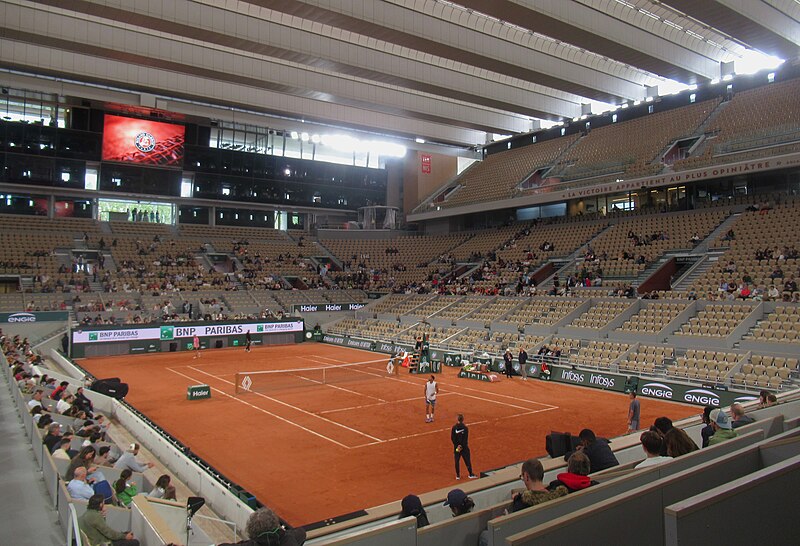
It gives them time. On grass, a 130mph serve is an unreturnable fact. On clay, the same serve slows down, sits up, and becomes a ball that can theoretically be returned if you move quickly enough and have enough topspin on your reply. The slower the surface, the more rallies happen, and the more rallies happen, the more chances exist for the player who was supposed to lose to do something extraordinary. This is why Roland Garros, across its long history, has produced some of the most shocking results in tennis.
Soderling def. Nadal, 2009: the upset that changed everything
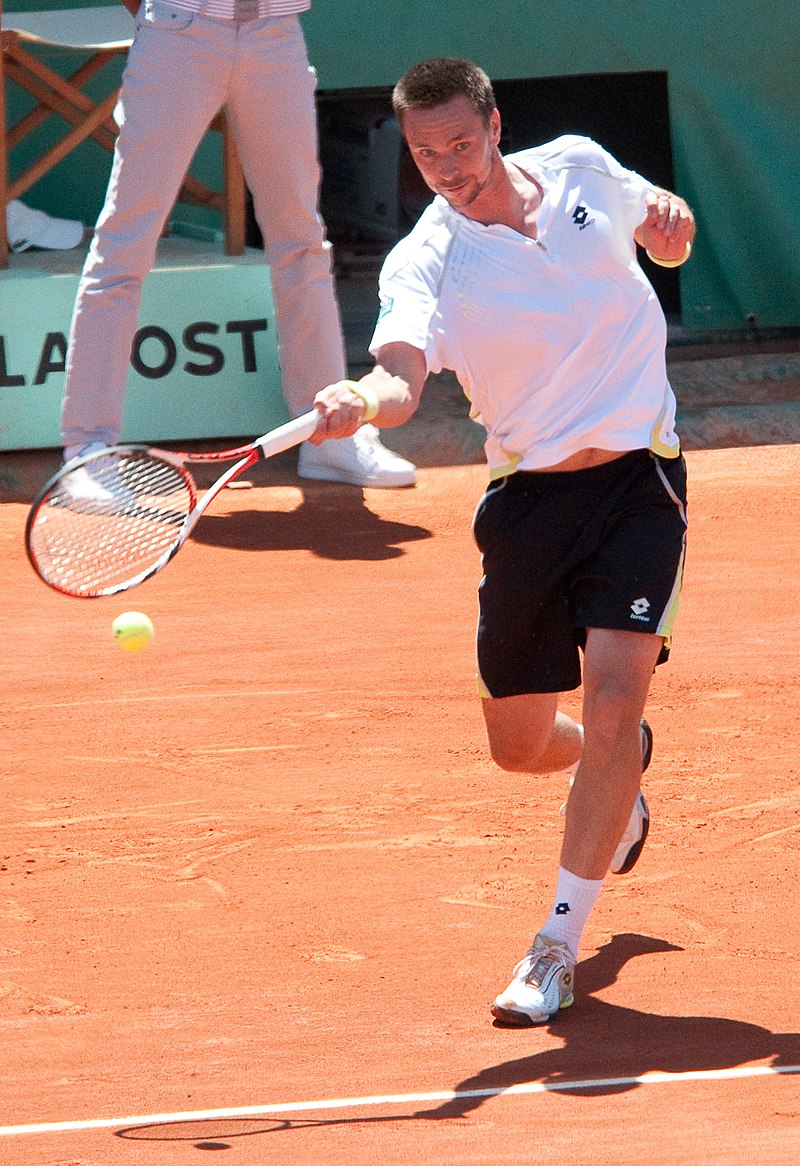
Robin Soderling was ranked 23rd in the world. He had played Roland Garros eight times before 2009 and had not once made it past the third round. His game was flat, aggressive, and not particularly suited to clay — he hit through the ball rather than over it, which is the opposite of what most successful clay players do.
Rafael Nadal arrived at Roland Garros in 2009 as the four-time defending champion. He had not lost a match there in four years. His 31-match winning streak at the tournament was the longest active win streak at any Grand Slam by any player. Six weeks before Roland Garros, Nadal had beaten Soderling 6-1, 6-0 at Rome. One set, 12 games, and Nadal had won all 12.
What happened in the fourth round at Roland Garros has never been adequately explained. Soderling won in four sets. He hit the ball flatter and harder than anyone had hit it against Nadal at Roland Garros, took it early, denied Nadal the defensive depth he used to construct points, and essentially played as if the clay surface was not there. Nadal, who had been dealing with knee problems, never looked like his invincible self.
The ripple effect of that match extended well beyond Soderling's run to the final. Roger Federer, who had lost four Roland Garros finals to Nadal, now had a clear path through the draw. He made the final, beat Soderling, and completed his career Grand Slam — something that would have had to wait at least another year if Nadal had survived. The most remarkable individual achievement in recent tennis history is in some ways a direct consequence of Soderling's afternoon.
Michael Chang, 1989: the kid with the cramps and the underarm serve
Michael Chang was 17 years old when he played Roland Garros in 1989. He had never won a Grand Slam match before that tournament. He was 5 feet 9 inches tall in a sport increasingly dominated by big servers.
He made it to the fourth round and faced Ivan Lendl, the world number one, who had won Roland Garros twice and was one of the dominant players of the era. In the fifth set, with the match on the line, Chang's legs started cramping. The television cameras caught him standing mid-rally, barely able to run, grimacing with each step.
At 4-3 in the fifth set, 15-30, Chang served underhand. He tossed the ball up gently and pushed it just over the net, barely in. Lendl, who had never seen this in a professional match at this stage, was so surprised he barely moved. The crowd erupted. It was probably gamesmanship, possibly desperation, possibly a combination of both. Chang said afterward: "I had an unbelievable conviction in my heart." Whatever it was, it worked.
Chang won the fifth set and went on to win Roland Garros. He was 17 years and 109 days old, the youngest man to win a Grand Slam title in the Open Era. He beat Lendl, the world number one, in the fourth round, came back from two sets down in the final against Stefan Edberg, and won in five.
He was also the first American man to win Roland Garros since Tony Trabert in 1955. Not bad for a kid who could barely stand up in the fourth round.
Seyboth Wild def. Medvedev, Roland Garros 2023
Thiago Seyboth Wild had never made it past the qualifying rounds at Roland Garros. He was ranked 172nd in the world. In the first round, he played Daniil Medvedev, the second seed, who had won the US Open and multiple Masters titles and was one of the two or three best players in the world.
Medvedev does not like clay. He has said this publicly. His flat, aggressive game is poorly suited to the high bounces and slow pace, and his results at Roland Garros have been consistently below what his overall ranking would suggest. But being beaten in the first round by a qualifier ranked 172nd was not something anyone expected.
Seyboth Wild won in five sets. Medvedev had never been knocked out in the first round of a major before this match. It is, in a straightforward way, one of the most surprising single-match results Roland Garros has produced in the last decade.
Djokovic def. Nadal, 2015: not technically a major upset, but it felt like one
This was not an upset in the ranking sense — Djokovic was the world number one at the time. But Djokovic beating Nadal at Roland Garros in the quarterfinals by scores of 7-5, 6-3, 6-1 felt seismic. The 6-1 third set, with Nadal barely able to hold a service game, represented the first time in roughly a decade that Nadal had looked genuinely beatable at Roland Garros. Not just beatable — dominated.
It cracked something. Not the myth entirely — Nadal came back and won the tournament again in 2017 — but it proved that even on clay, even at Roland Garros, the right opponent having the right day could make Nadal look ordinary. That had not been proven before 2015.
The 1993 first round: Lendl loses to a qualifier ranked 297th
Ivan Lendl, two-time Roland Garros finalist, multiple Grand Slam champion, was eliminated in the first round of the 1993 French Open by a 22-year-old French qualifier ranked 297th in the world. The Frenchman was playing his first ATP-level match. He had never played at Roland Garros before. He won in four sets and bageled Lendl in one of them.
This one requires no analysis. Sometimes the clay court just decides that today is not your day, and there is nothing you or anyone else can do about it.
Why upsets happen here and not at Wimbledon
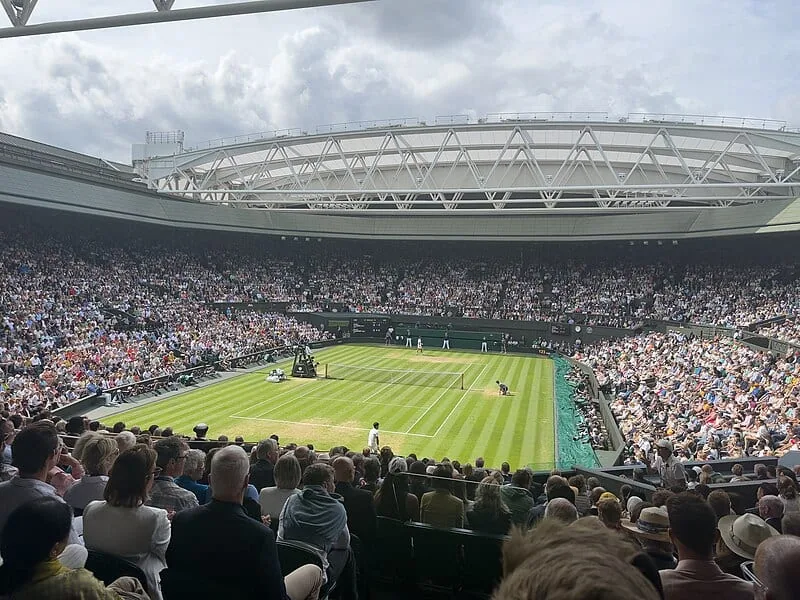
The slow surface gives lower-ranked players more time to build their game in each match. At Wimbledon, a big server can hit 15 aces and remove most of the rally tennis from the equation. At Roland Garros, the server gets one ace and then must construct a point. If the lower-ranked player is having a great day — if they're finding their topspin, if they're solving the opponent's patterns — the surface cooperates with them in a way that faster courts do not.
This doesn't mean upsets are common at Roland Garros. In most years the favorites reach the second week. But when the upset comes, it tends to be total and memorable. Soderling didn't just beat Nadal — he won in four sets and reached the final. Chang didn't just get through one match — he won the whole thing. The clay court doesn't just allow upsets. When it allows them, it tends to let them run.
Last updated: September 2026
Inside this Tournament
Latest news, related guides, and the data behind The Greatest Upsets in Roland Garros History.