Tennis Lifestyle
Net worth, culture, rivalries, and stories from the world of professional tennis — 100 articles


One Swing and Out: How a Tennis Player Gets Defaulted
A loose ball, a flick of the wrist, and a man in the front row with his hand over his eye. Here is what actually happens when tennis throws a player out of a match, and why the rule is harsher than most fans realise.
Read Article →
Eight Chairs in Turin: Inside the Race to the ATP Finals
Alex de Minaur sat down after one game of the second set in Beijing, and a race most fans never look at got tighter. Eight chairs, five of them still unclaimed, six weeks to go.
Read Article →
Alex Eala and the Country That Fell for Tennis in a Year
Before Alex Eala, tennis in the Philippines was a sport you watched other people play at odd hours on television. In barely eighteen months that has changed, and in December the whole thing moves to a stadium built for 55,000 people.
Read Article →
Forty-Eight Players, Twelve Places: The Tournament Before Shanghai
On Monday morning in Shanghai the big stadium is empty and the real drama is happening on an outside court in front of forty people. This is what qualifying week costs, and what it can pay.
Read Article →
Paraguay Is Back in the Draw: Dani Vallejo and a Sunday in Tokyo
Paraguay has had one Grand Slam finalist, one man who beat Pete Sampras, and then twenty quiet years. On Sunday in Tokyo, a 22-year-old qualifier plays for a place in the semifinals.
Read Article →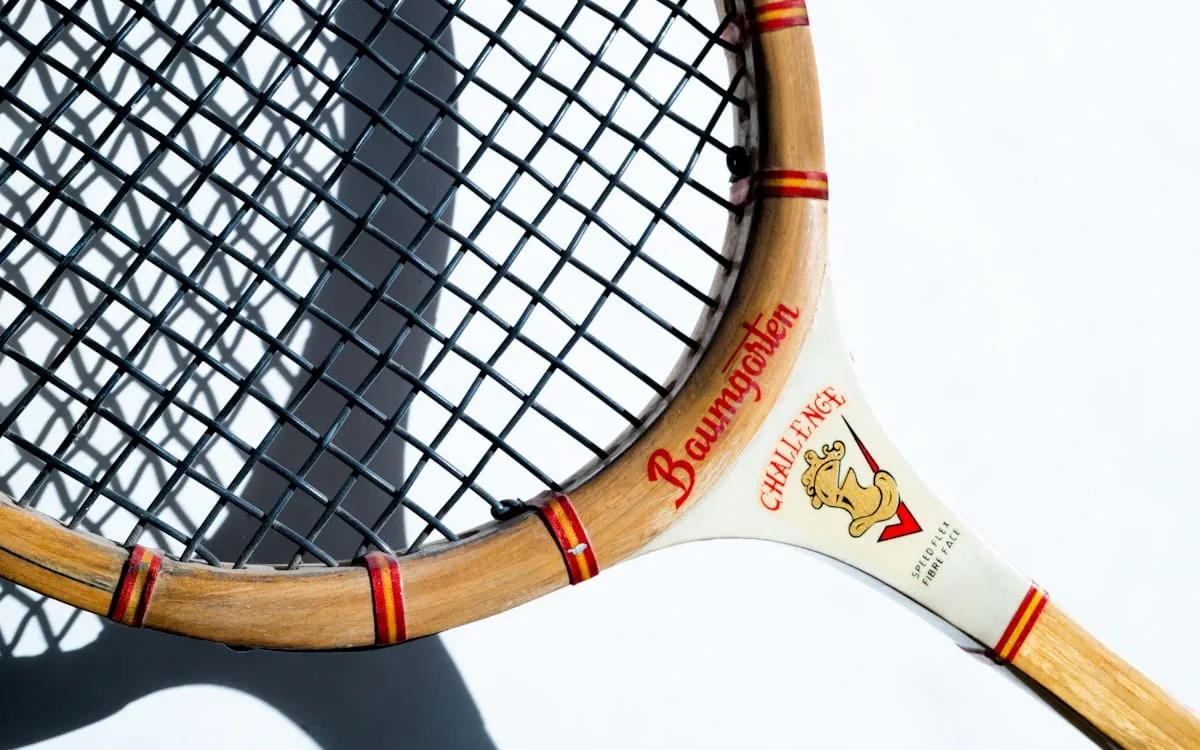
Three Pounds or Three Hundred Thousand: How to Start Collecting Tennis
Tennis came late to the memorabilia business, which is exactly why it is still possible to start. From three pound match balls to a racket that changed hands for 173,000 dollars, here is what is out there and what is worth having.
Read Article →
No Ranking Points, No History, Six Million Dollars: The Six Kings Slam
There is no draw to follow, no ranking points and no history attached. So why will every player you love be in Riyadh on 21 October, and why will you probably watch?
Read Article →
The Diamond and the Lotus: Inside the Beijing Tennis Fortnight
The China Open does not look like anywhere else in tennis. Here is how an Olympic leftover in north Beijing turned into a two-week event with a roof that takes twelve minutes to open.
Read Article →
The College Kid Who Became World No. 14: Rafael Jodar in Tokyo
He won the US Open junior title, then did the thing Spanish prospects never do: he enrolled at an American university. Less than two years later he is world No. 14 and seeded fourth at the Japan Open.
Read Article → The 3am Club: How to Watch the Asian Swing Without Wrecking Your Week
For the next five weeks the best tennis in the world happens while half of its audience is asleep. The real schedule, the time maths for where you live, and how to watch without ruining your week.
Read Article →
Kei Nishikori Has One Tournament Left, and Tokyo Gets to Say Goodbye
The Japan Open draw is made in Tokyo today, and one wild card matters more than any seeding. Kei Nishikori has gone home to finish.
Read Article →
Three Australians, two finals: Seoul and Singapore on the same Sunday
Two WTA finals, two Asian cities, three Australian women and one guaranteed champion. Here is how a quiet September weekend turned into the biggest day Australian womens tennis has had since 2017.
Read Article →Frequently Asked Questions
How can an adult learn to play tennis from scratch?
Start with 4-6 weeks of group lessons at a local club (typically $20-$40 per session) to learn fundamentals: grip, forehand, backhand, serve, and basic footwork. Practice 2-3 times per week for at least 30 minutes. Most adults reach a recreational rally level (USTA 2.5-3.0) within 3-6 months. Equipment-wise, a $80-$120 beginner racket and tennis-specific court shoes are enough to start.
Is tennis a good workout for losing weight?
Yes — an hour of singles tennis burns approximately 400-600 calories for a 70 kg adult, comparable to running or cycling. Tennis combines cardiovascular intensity (interval-based bursts) with strength work (rotational movements) and balance training. Studies link regular tennis play to reduced cardiovascular mortality risk and improved bone density.
What do professional tennis players eat?
Pros typically follow a high-carbohydrate, moderate-protein diet to fuel 3-5 hour matches. Common pre-match foods include oatmeal, pasta, rice, and bananas. During matches: bananas, energy gels, and electrolyte drinks. Sinner is known for a high-pasta Italian diet; Djokovic follows a strict gluten-free, mostly plant-based regimen; Nadal eats Mediterranean (fish, olive oil, pasta).
How much do tennis players make from sponsorships?
Top players earn $20M-$50M+ annually from endorsements alone — far more than prize money. Federer earned ~$90M/year at peak from Uniqlo, Rolex, Mercedes, Wilson, and others. Sinner signed with Nike, Head, and Rolex deals worth a combined ~$30M annually. Mid-tier ATP/WTA players (top 50) typically earn $200K-$2M from sponsors depending on profile.
What's the difference between tennis and padel?
Padel is played on a smaller (20×10m) walled court with solid stringless paddles and a depressurized ball; points often involve playing the ball off the walls (like squash). Tennis uses a larger court (23.77×8.23m for singles), strung rackets, and standard balls. Padel is easier to pick up, more social (always doubles), and faster-growing globally, especially in Spain, Italy, and Sweden.
How do you watch tennis tournaments online?
Tennis broadcast rights vary by region. In the US, Tennis Channel, ESPN, and ESPN+ cover most events. In the UK, Sky Sports and BBC iPlayer (Wimbledon free). Tennis TV (atptour.com subscription) streams every ATP match globally for ~$120/year. WTA matches are on WTA TV (~$100/year). Grand Slams are typically free on national broadcasters in the host country.