Tennis and cinema share a natural dramatic tension: two opponents facing each other across a net, the crowd holding its breath, everything decided by a single point. Directors have understood this for over a century, using tennis as a vehicle for suspense, romance, class warfare, and raw human drama. Here are the films and TV shows that captured tennis on screen most memorably.
Classic Cinema — When Tennis Became Suspense
Strangers on a Train (1951) — Hitchcock's Tennis Masterpiece

Alfred Hitchcock's thriller features one of the most tension-filled tennis scenes ever filmed. Guy Haines, a professional tennis player played by Farley Granger, must win his match as quickly as possible so he can stop a murder. Hitchcock cuts brilliantly between the frantic tennis match and the killer's slow progress toward the crime scene, creating unbearable suspense.
The genius of the scene lies in Hitchcock's cross-cutting technique: every rally on the court is intercut with the villain reaching closer to his destination. The crowd's heads turn left and right following the ball — except for one man, Bruno Anthony, who stares directly at Guy, a chilling visual that has been copied by dozens of films since. Hitchcock hired real tennis players as extras to ensure the match looked authentic, and Granger trained for weeks to make his serve and forehand believable.

Match Point (2005) — Woody Allen's Tennis Noir

Woody Allen's darkest film opens with a tennis ball hitting the top of the net in slow motion — will it fall forward or back? This image becomes the central metaphor for the entire story: life, Allen argues, is decided not by talent or morality, but by luck. Jonathan Rhys Meyers plays a former tennis pro who climbs London's social ladder through marriage, only to find himself trapped by desire and desperation.
Allen chose tennis deliberately as the sport of the British upper class, using the country club setting to explore themes of ambition and social climbing. The opening monologue — delivered over that slow-motion net shot — argues that people who believe in hard work are fooling themselves, and that the ball's bounce determines everything. It remains one of cinema's most nihilistic openings, wrapped in the genteel aesthetics of a tennis club.
Based on True Stories
Battle of the Sexes (2017) — Billie Jean King vs Bobby Riggs

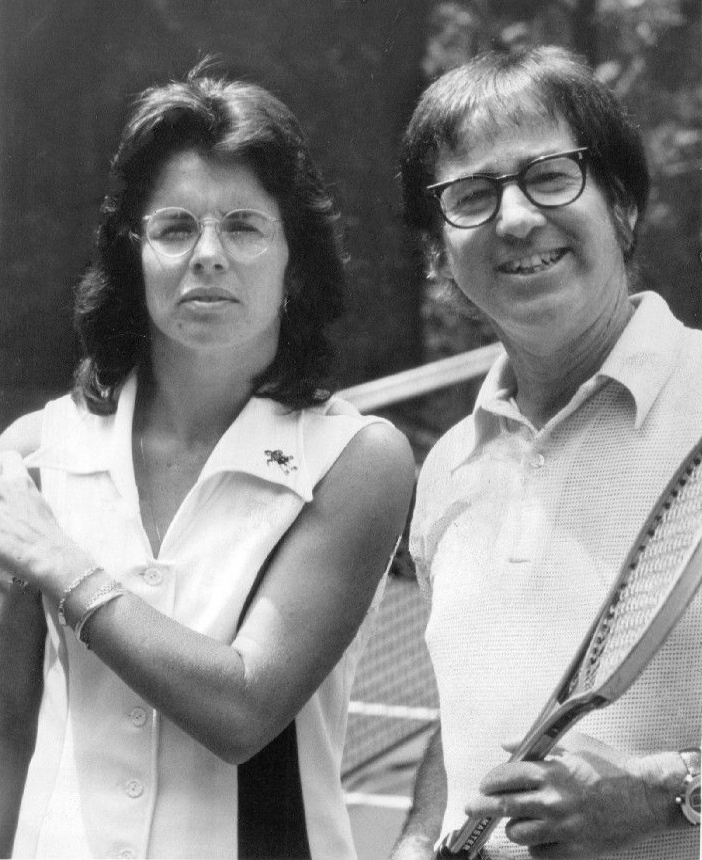
Emma Stone and Steve Carell star in this recreation of the legendary 1973 exhibition match between Billie Jean King and Bobby Riggs, watched by 90 million viewers on television. The film goes beyond the match itself, exploring King's fight for equal prize money in women's tennis and her personal struggles with identity in an era when being openly gay could end a career.
Stone trained for months with a professional tennis coach to replicate King's distinctive playing style, and the film's final match sequence was choreographed shot-by-shot to match the actual television footage from 1973. The result is one of the most accurate sports recreations in cinema history. The film also captures the media circus surrounding the match — Riggs arriving on a rickshaw pulled by models, King carried in on a golden litter like Cleopatra — spectacle that now seems prophetic of modern sports entertainment.
Borg vs McEnroe (2017) — Fire and Ice at Wimbledon

This Swedish-produced film dramatizes the legendary 1980 Wimbledon final between the ice-cool Bjorn Borg and the explosive John McEnroe. Sverrir Gudnason and Shia LaBeouf deliver remarkable performances, capturing not just the playing styles but the psychological warfare between two athletes who were complete opposites in temperament.
What makes the film special is its focus on the pressure behind perfection. Borg, portrayed as calm on the outside, is shown to be a volcano of anxiety beneath the surface — a former racket-smashing teenager who learned to channel his rage into robotic precision. McEnroe, meanwhile, is revealed as far more thoughtful and insecure than his on-court tantrums suggested. The famous fourth-set tiebreak, widely considered the greatest in tennis history, is recreated with remarkable fidelity.

King Richard (2021) — The Williams Sisters' Origin Story
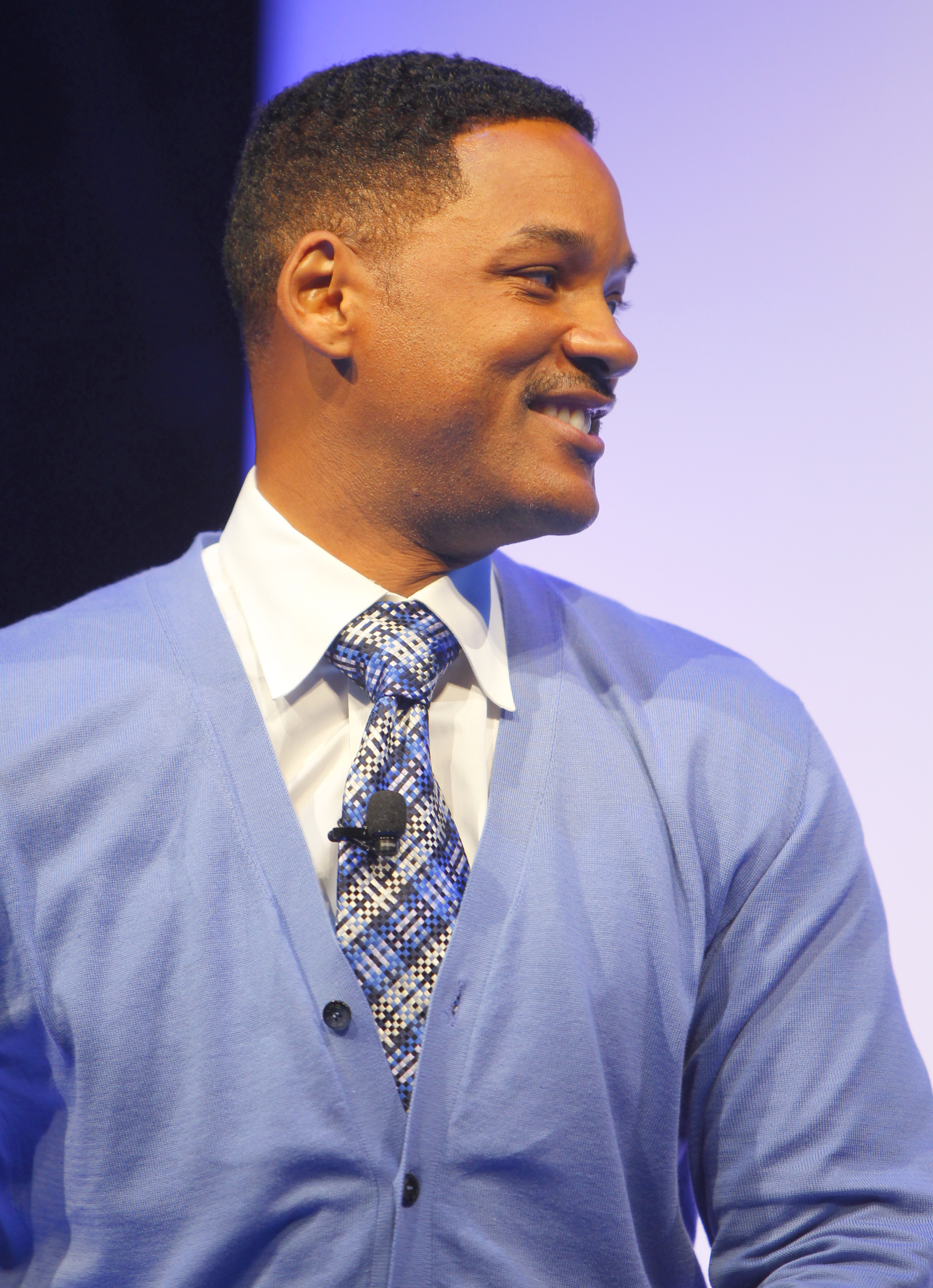
Will Smith won the Academy Award for Best Actor for his portrayal of Richard Williams, the father who raised Venus and Serena Williams on the public courts of Compton, California. The film follows Richard's 78-page plan to turn his daughters into tennis champions, a plan he wrote before they were even born.
King Richard deliberately shows tennis through the eyes of a non-tennis family, making it accessible to audiences who had never watched a match. The training montages on cracked public courts, dodging gang activity, contrast sharply with the pristine country clubs where the girls eventually compete. Smith's performance captures both the brilliance and the stubbornness of a father who defied every convention in a sport that had traditionally been closed to Black athletes from disadvantaged backgrounds.
Modern Cinema — Tennis as Metaphor
Wimbledon (2004) — The Romantic Comedy

Paul Bettany plays a fading British tennis player who gets a wildcard into Wimbledon and falls in love with a rising American star played by Kirsten Dunst. The film's innovative camera work puts viewers inside the player's head during matches, with internal monologue playing over slow-motion rallies — a technique later adopted by sports broadcasts.
While critics dismissed it as lightweight, Wimbledon succeeded in capturing the atmosphere of the Championships with remarkable authenticity. The production was given unprecedented access to the All England Club, filming on the actual Centre Court and grounds. Real tennis professionals, including several ATP players, appear as extras and opponents, giving the match scenes a credibility rare in sports films. Bettany trained so intensively that he was able to play many of his own rallies without a double.
Challengers (2024) — Luca Guadagnino's Tennis Thriller

Luca Guadagnino's Challengers became the most talked-about tennis film in decades. Zendaya stars as Tashi Duncan, a former tennis prodigy turned coach who manipulates two men — her husband and her ex-boyfriend — into a Challenger-level tournament final. The film uses tennis as a metaphor for desire, power, and the complicated dynamics of a love triangle.
Guadagnino's approach to filming tennis was revolutionary: cameras were mounted inside ball machines, buried in the clay court surface, and attached to the net cord. The final match is shot like a war film, with Trent Reznor's pulsing electronic score building to a fever pitch. Tennis professionals who consulted on the film praised its accuracy — the grunts, the shoe squeaks, the way players read each other's body language before a serve. Challengers proved that tennis, when filmed with imagination and passion, can be as cinematic as any action sequence.

The Royal Tenenbaums (2001) — Tennis as Character
Wes Anderson's comedy features Luke Wilson as Richie Tenenbaum, a tennis champion who suffers a spectacular meltdown on Centre Court. Wearing a headband, wristbands, and dark aviator sunglasses, Richie's courtside collapse — removing layer after layer of his tennis gear — became one of the most memorable scenes in Anderson's filmography. The character was partly inspired by Bjorn Borg's famous stoicism and sudden retirement.
Tennis on Television
Television has also embraced tennis, from the coaching drama of the Netflix series Break Point (2023), which follows real players through the ATP and WTA tours, to fictional portrayals in shows like Euphoria, where Zendaya's character plays tennis as an escape from chaos. The BBC's annual Wimbledon coverage has itself become a cultural institution, with commentary styles and traditions that have shaped how millions understand the sport.
Why Tennis Works on Screen
Tennis offers filmmakers something no other sport can: an intimate duel between two individuals, separated by a net, with no teammates to hide behind. The geometry of the court creates natural visual composition, while the silence between points allows for dramatic tension that team sports cannot match. From Hitchcock's crosscut thriller to Guadagnino's sensual drama, cinema keeps returning to tennis because the sport is, at its core, already a story — two characters, one conflict, and a net between them.
Last updated: August 2026
🎾 Gear from this story
DonnayDonnay Pro OneBjorn Borg's racket of choiceView on Amazon →As an Amazon Associate, SUPER.TENNIS earns from qualifying purchases.