Tennis Court Surfaces Explained
Tennis is a game of skill, strategy, and, perhaps most importantly, adaptability. The surface on which the game is played can significantly influence the style of play, the speed of the game, and even the physical demands placed on players. Understanding the various court surfaces can enhance not only your appreciation of the sport but also your own game. Let’s dive into the different types of tennis court surfaces, their characteristics, and how they affect the overall gameplay.
Hard Courts (US Open, Australian Open)
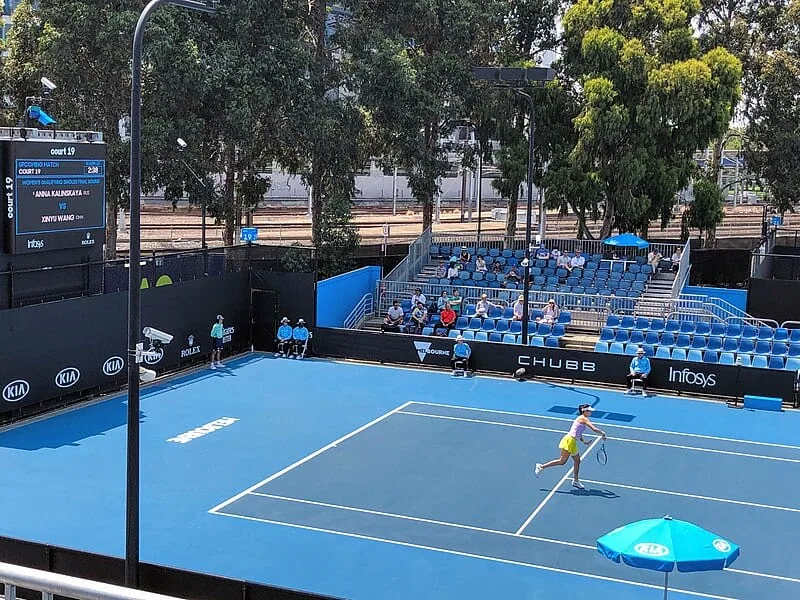
Hard courts are among the most popular tennis surfaces, known for their durability and consistent bounce. Made from asphalt or concrete and topped with an acrylic layer, these courts offer a medium-fast playing speed, typically rated between 3-5 on the speed scale, with a medium bounce height. The US Open and Australian Open are two of the four Grand Slam tournaments played on hard courts.
Characteristics of Hard Courts:
- Speed: Medium-fast. The ball travels quickly but offers enough time for players to react.
- Bounce: Consistent and predictable, making it easier for players to anticipate their opponent’s shots.
- Player Impact: Hard courts can be hard on the joints, leading to increased risk of injury over time. Players often employ a mix of baseline play and net strategies, with many excelling in powerful serves and groundstrokes.
Clay Courts (Roland Garros)
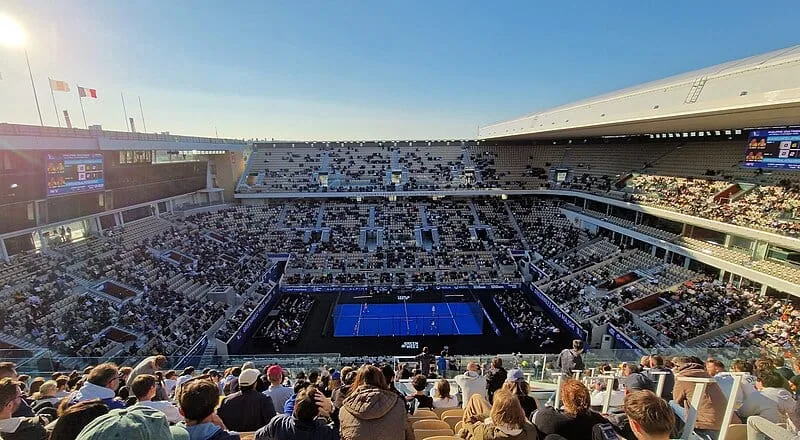
Clay courts, famously used in the French Open at Roland Garros, are made of crushed brick, stone, or other organic materials. This surface is slower, rated between 1-3 on the speed scale, which allows for longer rallies and strategic play. The unique characteristics of clay courts can alter a player's approach and tactics.
Characteristics of Clay Courts:
- Speed: Slow. The ball tends to lose speed upon contact with the surface, often resulting in extended rallies.
- Bounce: High and variable. The softer surface can absorb energy, leading to unpredictable bounces that can challenge even the most skilled players.
- Player Impact: Clay is gentler on the body, offering a softer landing and reduced joint stress. Players often need to focus on patience, consistency, and shot placement, with many utilizing heavy topspin to dominate rallies.
Grass Courts (Wimbledon)
Grass courts are the traditional tennis surface, epitomized by the iconic Wimbledon tournament. These courts are made of natural grass and are known for their fast playing speed, rated between 6-7 on the speed scale. The unique characteristics of grass make it a challenging surface to master.
Characteristics of Grass Courts:
- Speed: Very fast. The ball tends to skid off the surface, making it difficult for players to control their shots.
- Bounce: Low and unpredictable. Grass courts can produce erratic bounces due to uneven ground and grass growth, which can throw off even the most seasoned players.
- Player Impact: Grass courts are easier on the joints but require a different skill set, emphasizing serve-and-volley tactics and quick reflexes. Players must adapt their game to capitalize on the fast pace and lower bounce.
Carpet & Indoor Courts
Carpet courts are a less common surface, usually used for indoor competitions. These courts can be made from various materials, including artificial turf, and can vary in speed depending on the specific type of carpet used, generally rated between 5-7.
Characteristics of Carpet & Indoor Courts:
- Speed: Varies widely but can be very fast, often favoring aggressive play.
- Bounce: Typically low, requiring players to stay low and ready for quick exchanges.
- Player Impact: Indoor courts can eliminate external factors such as wind and sun, allowing for more controlled play. Players often find success with aggressive serving and quick net approaches.
How Surface Affects Playing Style
The surface of a tennis court dramatically influences the playing style and strategy of both amateur and professional players. Hard courts promote an all-court game where players can implement various tactics, while clay courts require a more patient and strategic approach, focusing on stamina and placement. Grass courts, on the other hand, favor serve-and-volley players who can capitalize on the low bounces and fast play.
Understanding how each surface affects gameplay can help players tailor their training and strategies to maximize their effectiveness on the court.
Which Surface Suits Your Game?
When considering which surface best suits your style of play, it’s essential to evaluate your strengths as a player. If you favor powerful serves and aggressive groundstrokes, hard courts might be your best bet. For those who thrive on endurance and tactical play, clay courts could provide the perfect environment. Meanwhile, if you possess quick reflexes and a strong net game, grass courts may align best with your skills.
Ultimately, experiencing each surface can provide insights into your game and help you develop a well-rounded approach to tennis. Whether you’re playing in a local league or aspiring to compete at higher levels, understanding court surfaces can empower your journey in the sport. So, the next time you step onto the court, take a moment to consider how the surface beneath your feet shapes your game.
Last updated: October 2026