Tennis has always attracted the world's most powerful and creative minds. Long before it became a global spectator sport, tennis was the game of kings, writers, and visionaries. Here are the most fascinating stories of famous people who took to the court.
Writers Who Loved Tennis
Leo Tolstoy — Tennis Pioneer in Russia
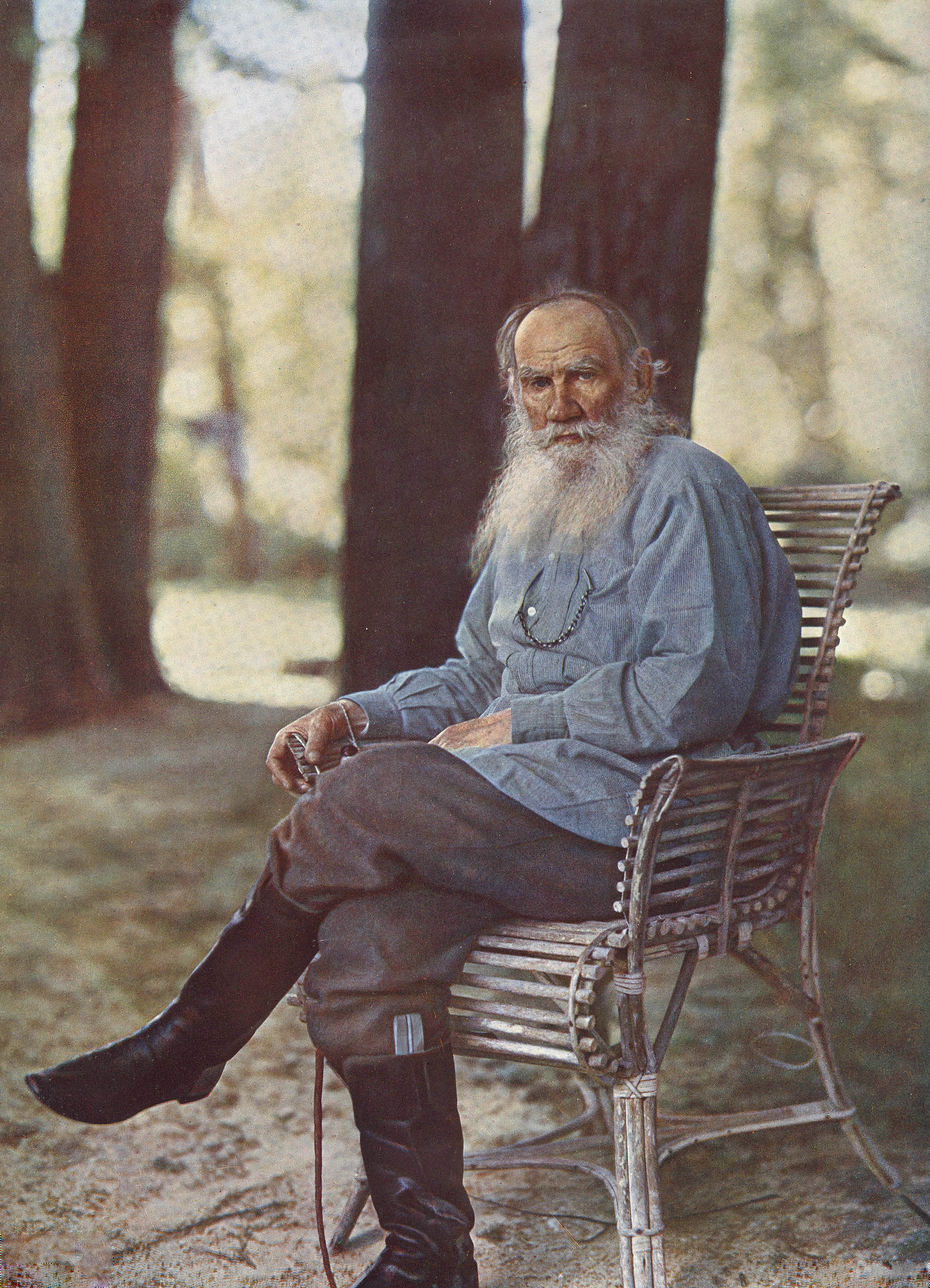
The author of War and Peace built one of the first tennis courts in Russia at his estate in Yasnaya Polyana. Tolstoy became one of the first writers to describe tennis in literature: his novel Anna Karenina (1877) features a remarkably detailed lawn tennis scene. Remarkably, 1877 was also the year of the very first Wimbledon Championship.
Tolstoy discovered tennis in the 1890s through English visitors to his estate and became immediately obsessed. Despite being in his sixties, he played almost daily during summer months, often challenging guests and family members to matches. His daughter Tatiana recalled that her father would become so absorbed in the game that he would forget about meals and manuscripts alike.
The tennis court at Yasnaya Polyana became a gathering place for Russia's literary elite. Visitors including Anton Chekhov and Maxim Gorky were dragged onto the court by their host. Tolstoy's physician noted that the writer credited tennis with keeping him physically vital well into his seventies, calling it superior to his beloved horseback riding for overall fitness.
Vladimir Nabokov — Literature's Greatest Tennis Writer
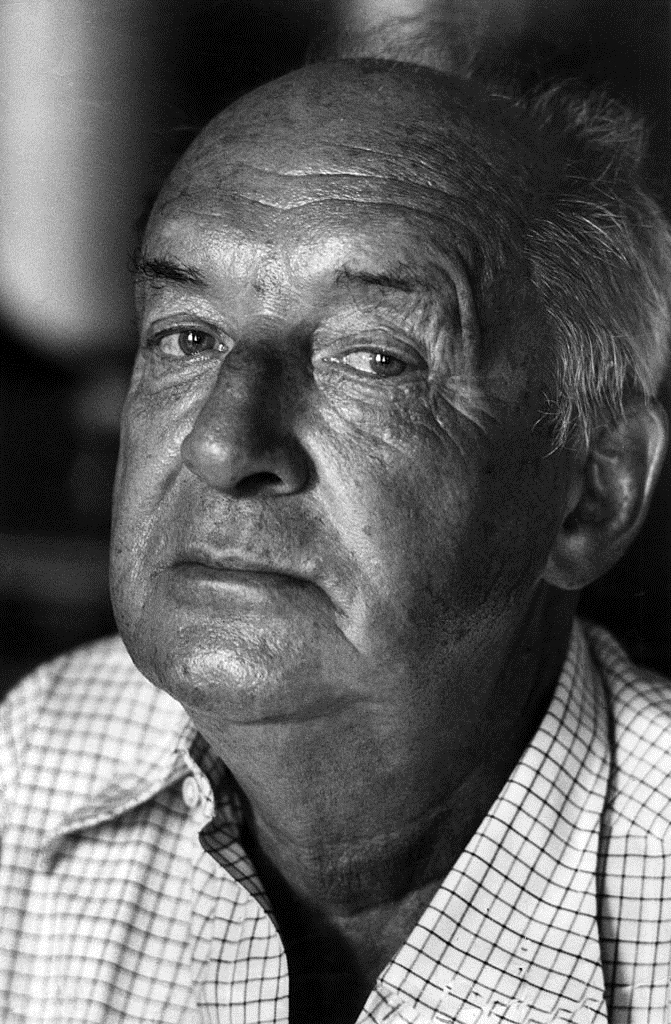
Nabokov is perhaps the most "tennis-obsessed" writer in literary history. He grew up playing lawn tennis at his family estate near St. Petersburg, continued playing at Cambridge, and even earned money giving tennis lessons while living in exile in Germany. In Lolita, tennis is mentioned over 30 times, becoming a central metaphor of the novel.
Tennis legend Shamil Tarpischev recalled rallying with Nabokov in the 1970s and being impressed by the writer's level even at an advanced age. Nabokov once said that tennis and butterfly hunting were the two physical activities that gave him the purest joy. At Cornell University, where he taught literature, colleagues remembered him booking the campus courts at dawn before his morning lectures.
David Foster Wallace — From Junior Champion to Literary Icon

American writer David Foster Wallace was a genuine tennis prodigy in his youth, ranked 17th in the Midwest among juniors at age 14. Growing up in central Illinois, Wallace exploited the flat terrain and wind patterns to develop an unorthodox but devastatingly effective game that baffled more talented opponents.
Tennis never left him: his essay "Roger Federer as Religious Experience" (2006) became one of the most celebrated pieces of sports writing ever published. His magnum opus, Infinite Jest, is set at a fictional tennis academy. Wallace argued that tennis, more than any other sport, was a perfect metaphor for life — an individual standing alone on a rectangle, dealing with geometry, physics, and the crushing pressure of self-reliance.
J.R.R. Tolkien — A Tennis Injury That Gave Us The Hobbit

The creator of The Lord of the Rings was an avid tennis player since his Oxford days. Legend has it that a tennis injury indirectly gave us The Hobbit: after overestimating himself in a match against a freshman, Tolkien injured his ankle and, confined to bed for several months, finally began systematically writing down his mythology.
At Oxford, Tolkien was known as a fierce competitor on the tennis court, often playing with fellow academics including C.S. Lewis, his close friend and literary collaborator. Tolkien's son Christopher recalled that his father treated tennis matches with the same seriousness he brought to his philological research — analyzing opponents' weaknesses, developing counter-strategies, and keeping a mental log of patterns that worked. This analytical approach to sport would later inform the tactical depth of the battle scenes in his fiction.
Alexander Solzhenitsyn — Tennis in Exile
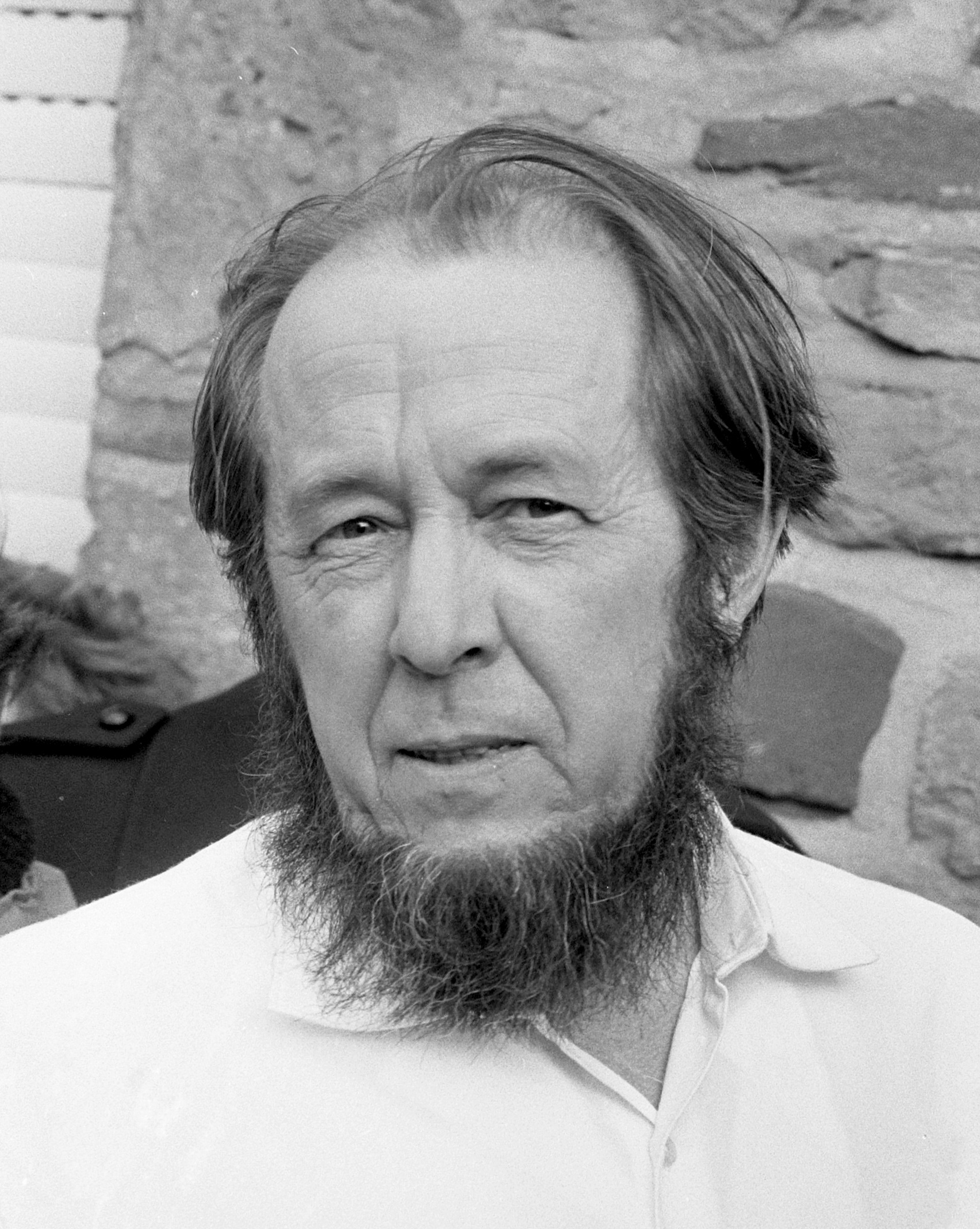
Solzhenitsyn regularly played tennis with friends during his years of exile in Vermont (1976–1994). In America, he personally met tennis legends Arthur Ashe and Billie Jean King, though their conversations focused more on social and political issues than sport. Tennis became one of the few activities that could draw the reclusive writer out of his heavily guarded compound in Cavendish.
Solzhenitsyn had first learned tennis in the Soviet Union, but it was in Vermont that the game became his primary form of exercise and social interaction. His neighbors recalled seeing the Nobel laureate playing on a private court he had built on his property, often in the early morning hours before retreating to his writing studio for the rest of the day.
Kings and Royals — Tennis as the Game of Monarchs
Tennis has been called the "game of kings" since the 11th century, when French monks began hitting a ball with their palms in a game called jeu de paume. By the end of the 13th century, Paris alone had over 1,800 courts. Italian count Baldassare Castiglione called tennis "the king of games and the game of kings" in 1528.
Louis X of France — The King Who Died on the Court
Louis X (1289–1316) was so obsessed with tennis that he built the world's first indoor tennis court to play year-round. His passion proved fatal: in June 1316, after an exhausting match, the overheated king gulped down a huge jug of cold wine and died, leaving no male heir. Historians believe this "tennis death" triggered the succession crisis that eventually led to the Hundred Years' War.
Henry VIII — The Most Famous Tennis-Playing Monarch

Henry VIII built the famous court at Hampton Court Palace in 1530, which still functions today — nearly 500 years later. A Venetian ambassador wrote in 1519 that it was the prettiest thing in the world to see him play. According to legend, Henry VIII was playing tennis when he learned of the execution of his second wife, Anne Boleyn.
In his youth, Henry was described as an exceptional athlete who dominated the court with his imposing 6'2" frame and surprising agility. He wagered enormous sums on matches — court records show bets equivalent to hundreds of thousands of pounds in modern currency. The king even had special tennis shoes crafted by his personal cobbler, making him possibly the first person in history to own dedicated tennis footwear.
Tennis was so central to Henry's court that diplomatic negotiations were sometimes conducted during matches. Foreign ambassadors quickly learned that the best way to gain the king's favor was to provide a challenging but ultimately losing game. Those who beat the king too convincingly often found their diplomatic requests mysteriously delayed.

Tsar Nicholas II — Russia's Tennis-Obsessed Emperor

The last Russian Tsar was perhaps the most passionate player among modern-era monarchs. He first picked up a racket in 1896 and within weeks could barely be dragged off the court. Tennis courts were built at every imperial residence — from the Alexander Palace at Tsarskoye Selo to the Livadia Palace in Crimea.
Nicholas kept a detailed diary in which tennis appears hundreds of times. Entries like "Played tennis from 2 until 6. Wonderful weather" were typical. He played through rain, political crises, and even during the early months of World War I. His regular partners included Grand Dukes, foreign diplomats, and members of the imperial guard.
One of his most frequent tennis partners was Felix Yusupov — who would later become infamous as the assassin of Rasputin. The Tsar's daughters, particularly Grand Duchess Tatiana, were also enthusiastic players. Photographs from the imperial archives show the family playing tennis in white outfits on immaculately maintained grass courts, an image of aristocratic leisure that would vanish forever with the Revolution of 1917.
King George VI — The Only Royal to Play Wimbledon

In 1926, the future King George VI became the first and only member of the British royal family to compete at Wimbledon in an official tournament. Partnering with Louis Greig in the men's doubles, he lost in the first round. Despite the early exit, the Duke's participation remains one of the most remarkable moments in Wimbledon history — a future king stepping onto the same courts as the world's best players.
Politicians on the Court
Tennis has long been considered a "presidential sport" in the United States. Theodore Roosevelt built the first tennis court at the White House in 1902 and organized afternoon games with members of his "Tennis Cabinet." Barack Obama played with Caroline Wozniacki on the White House lawn during the 2015 Easter celebrations. In total, at least 15 U.S. presidents have been documented tennis players.
Modern Celebrities Who Play Tennis
Among today's sports stars, Cristiano Ronaldo and Brazilian legend Ronaldo are keen tennis players. Cristiano trains three times a week with a personal coach and even hit with Carlos Alcaraz. Lionel Messi has also spoken about learning to play tennis. Former tennis champion Marat Safin took a different path entirely — from Grand Slam winner to Russian parliament member in 2011.
Why Tennis Attracts the Elite
From medieval French courts to modern celebrity culture, tennis has maintained its status as the sport of choice for the world's most influential people. The combination of individual competition, mental discipline, and social elegance makes tennis uniquely appealing to writers, leaders, and cultural icons across centuries. Unlike team sports, tennis demands that you face your opponent alone — a quality that resonates deeply with people accustomed to making solitary decisions that shape the world.
Last updated: August 2026