Pickleball vs Tennis: The Complete Comparison
In recent years, pickleball has surged in popularity, often described as a blend of tennis, badminton, and ping-pong. With its approachable nature and social atmosphere, it’s no wonder many are drawn to this sport. However, tennis, with its rich history and competitive edge, remains a staple in the world of racket sports. In this article, we will explore the key differences between pickleball and tennis, examine the physical demands of each sport, consider which is easier to learn, analyze costs, discuss social aspects, and finally, delve into the ongoing debate about their coexistence.
Key Differences (Court Size, Equipment, Scoring)
Court Size
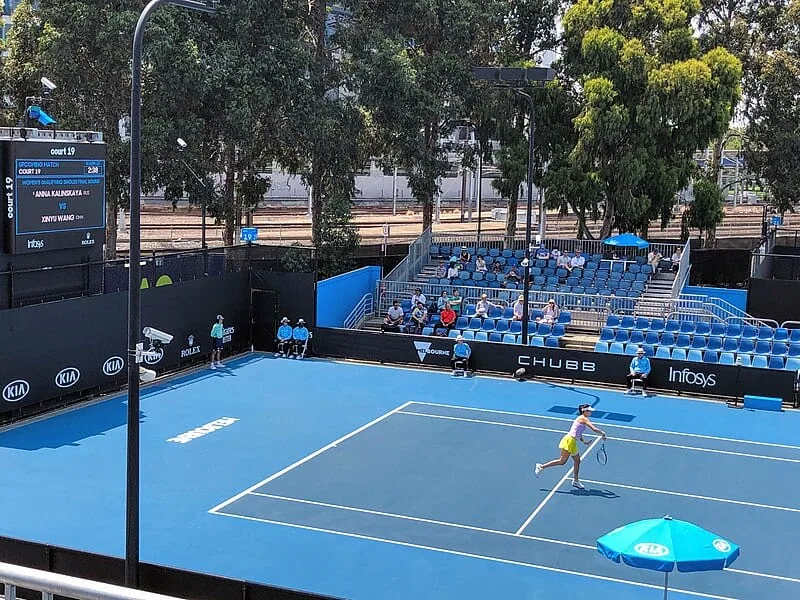
One of the most apparent differences between pickleball and tennis is the size of the court. A standard tennis court measures 78 feet long and 36 feet wide for doubles play. In contrast, a pickleball court is much smaller, measuring 44 feet long and 20 feet wide. This smaller court size allows for quicker games and less running, making it more accessible to players of all ages and skill levels.
Equipment
The equipment used in both sports also varies significantly. Tennis players use rackets that can weigh anywhere from 10 to 12 ounces, while pickleball players wield a paddle that typically weighs between 7 to 8 ounces. The balls are also different; tennis balls are pressurized and fluffy, whereas pickleball uses a plastic ball with holes, which gives it a unique bounce and flight pattern.
Scoring
The scoring systems differ as well. Tennis employs a complex scoring system comprising games, sets, and matches, with players needing to win at least six games to take a set. Pickleball's scoring is simpler; games are played to 11 points, and a team must win by at least two points. This straightforward scoring can make pickleball feel more accessible for newcomers.
Physical Demands: Which Is Harder?
When it comes to physical demands, both sports offer their challenges but cater to different fitness levels. Tennis is a more physically demanding sport, often requiring players to cover larger distances, engage in more intense rallies, and exhibit greater agility. The quick lateral movements and explosive serves in tennis can lead to a higher risk of injuries.
On the other hand, pickleball is easier on the joints due to its smaller court size and slower-paced gameplay. While players still engage in strategic movements, the physical demands are generally lower. For those who might find tennis too strenuous, pickleball can serve as a great alternative.
Which Is Easier to Learn?
For beginners, many find pickleball to be the easier sport to learn. The smaller court size, fewer rules, and simpler scoring make it less intimidating for newcomers. Pickleball’s emphasis on strategy and placement over power enables players to enjoy the sport from the get-go.
Tennis, while rewarding and exhilarating, often requires more practice to master fundamental skills such as serving, volleying, and footwork. The complexity of the game can be daunting for beginners, potentially requiring more time and commitment to reach a competent level.
Cost Comparison
When comparing the costs associated with both sports, pickleball generally comes out on top as the more budget-friendly option. The equipment required for pickleball—such as paddles and balls—is typically less expensive than tennis rackets and balls. Additionally, many communities have public pickleball courts, making it easier to access without incurring high fees.
Tennis, on the other hand, often involves court fees, especially at private clubs, and requires investment in more expensive equipment. Players may also find themselves needing to pay for lessons or coaching to improve their skills, which can add to the overall cost.
Social Aspects
Both sports have vibrant social communities, but they manifest differently. Pickleball is often seen as a more inclusive and casual sport, emphasizing social interaction and camaraderie. With its smaller courts and doubles play, players can engage more closely, fostering a friendly atmosphere. Many pickleball enthusiasts enjoy drop-in sessions and community events that encourage socializing beyond just competition.
Tennis, while also social, tends to have a more competitive edge. Many players join clubs or leagues, where they can participate in tournaments or structured matches. While these competitive elements enhance the experience for some, they can also create barriers for casual players who may feel intimidated by the intensity.
Can You Play Both?
Absolutely! Many players enjoy the benefits of both sports, as they each offer unique experiences. Playing both can improve overall racket skills, enhance hand-eye coordination, and provide varied physical workouts. Cross-training can keep your fitness routine fresh and exciting while allowing you to engage with different social circles.
The Pickleball-Tennis Debate in 2026
As we move into the next decade, the debate surrounding pickleball and tennis will likely continue. Some argue that pickleball is overshadowing tennis, creating a divide among racket sports enthusiasts. However, many players appreciate both sports for their distinct characteristics and benefits.
In 2026, we may see even more advancements in both sports, including better equipment, innovative training methods, and increased community engagement. Rather than viewing pickleball and tennis as competing sports, perhaps the future will embrace the coexistence and mutual enhancement of both. After all, whether you prefer the fast-paced rallies of tennis or the social gatherings of pickleball, the ultimate goal remains the same: to enjoy the game while fostering connections with others.
Last updated: October 2026