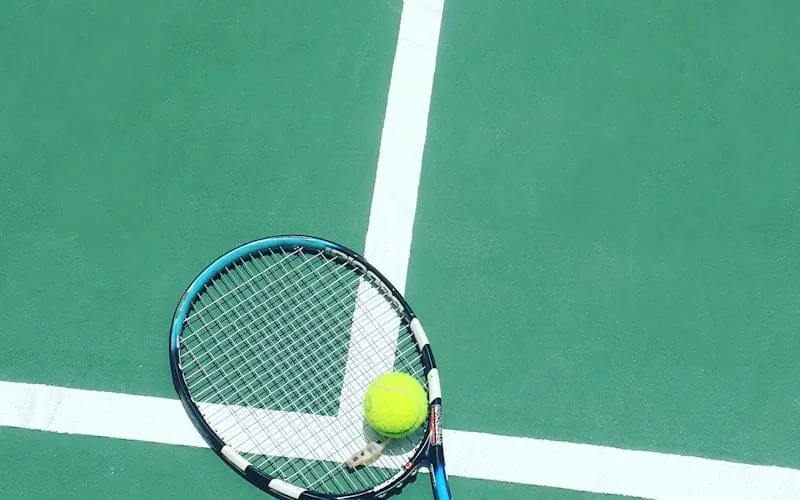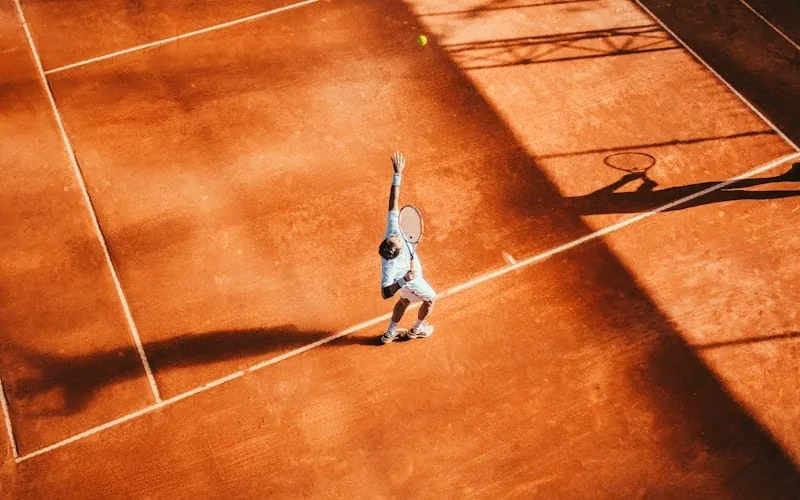
Tennis and padel may look similar at first glance — both are racquet sports that involve hitting a ball over a net. However, as any aficionado will tell you, they are worlds apart in terms of rules, gameplay, and even culture. With the rise of padel, especially in Europe and Latin America, many fans are left wondering what sets these two sports apart. Let’s dive in and explore the key differences, and help you figure out which sport might be right for you!
Court Size and Structure
One of the most significant differences between tennis and padel is the size of the courts.
Tennis courts are large, measuring 78 feet long and 36 feet wide for doubles play. The layout includes a net that is 3 feet high at the center, creating a vast area for players to cover. The surface can vary — from grass to clay to hard courts — each offering a unique playing experience.
Padel courts, on the other hand, are considerably smaller, measuring just 65 feet long and 33 feet wide. The court is enclosed with glass walls, which players can use to their advantage during play. This smaller size promotes rapid exchanges and a more dynamic style of play, making it easier for beginners to rally and play.
The enclosed nature of the padel court also means that the ball can bounce off the walls, adding an extra layer of strategy to the game. This aspect makes padel particularly enticing for newcomers, as it encourages prolonged rallies and a less punishing environment for error-prone players.
Scoring System
When it comes to scoring, both tennis and padel share some similarities but also have unique features.
Tennis uses a traditional scoring system: 15, 30, 40, and game. Matches can be played in best-of-three or best-of-five sets, with players needing to win at least six games to claim a set — and by a margin of two games, if it goes to a tiebreak.
Padel mimics the tennis scoring system but is exclusively played in doubles. Games are typically played to 40, and just like in tennis, you must win by two. However, the pace of play is faster, and matches can be more exhilarating due to the shorter rallies and quicker points.
The blend of tennis-like scoring with a more relaxed atmosphere makes padel attractive to those who enjoy social play. It’s common for players to engage in light banter and camaraderie while on the court, elevating the experience beyond just competition.
Equipment Differences
The equipment used in tennis and padel is yet another area where the two sports diverge.
Tennis players use a stringed racquet with a larger head, typically weighing between 10 to 12 ounces. The balls used are pressurized, allowing for a higher bounce and faster speeds.
Padel racquets are solid, perforated, and much smaller than their tennis counterparts. Weighing around 8 to 10 ounces, they are designed to create more control than power. The balls used in padel are also similar to tennis balls but are less pressurized, resulting in a lower bounce. This difference contributes to the unique style of play that padel embodies.
The choice of equipment reflects the sports' different playing styles, with tennis emphasizing power and precision, while padel requires finesse and strategic placement.
Rules and Gameplay
Understanding the rules of each sport provides further insight into how they differ.
In tennis, players serve the ball into the opponent's court and must hit it over the net without allowing it to bounce twice. Players alternate serving every game, and the game can be won in various formats, including singles and doubles.
In padel, the serving player must hit the ball underhand and below waist height. After serving, the ball must bounce in the opponent's service box before it can be returned. Players can also use the walls to their advantage, creating a more tactical game.
Moreover, matches are typically shorter in padel, allowing players to enjoy multiple games in a single session. The emphasis on teamwork in doubles and the enclosed court make padel a social sport, perfect for those looking to enjoy a relaxed yet thrilling experience.
The Rise of Padel
So, why is padel growing so rapidly? One reason is its accessibility. With a smaller court size, it’s easier to set up facilities, and many clubs are adding padel courts to attract a broader audience. The sport is particularly appealing to those who may find traditional tennis intimidating or challenging.
Another factor is the social aspect of padel. The doubles format encourages camaraderie and makes it easy for friends to join in, fostering a sense of community. Celebrities like Lionel Messi and actors like Antonio Banderas have embraced the sport, further boosting its profile. Additionally, the sport is featured in various pop culture references, from social media challenges to celebrity matches, enhancing its visibility.
Which Sport Is Right for You?
Choosing between tennis and padel ultimately depends on your preferences.
If you enjoy longer matches, the challenge of singles play, and an opportunity to develop a broad skill set, tennis might be your calling. It offers a rich history and the chance to compete at various levels, from local clubs to grand slams.
Conversely, if you're looking for a fun, social, and engaging experience that allows for quick play and less pressure, padel could be your perfect match. It’s ideal for casual players who want to enjoy an afternoon with friends while still getting a good workout.
Both sports have their unique charm, and many players find joy in both. Whichever you choose, the key is to get out there, have fun, and enjoy the great game that tennis and padel have to offer!