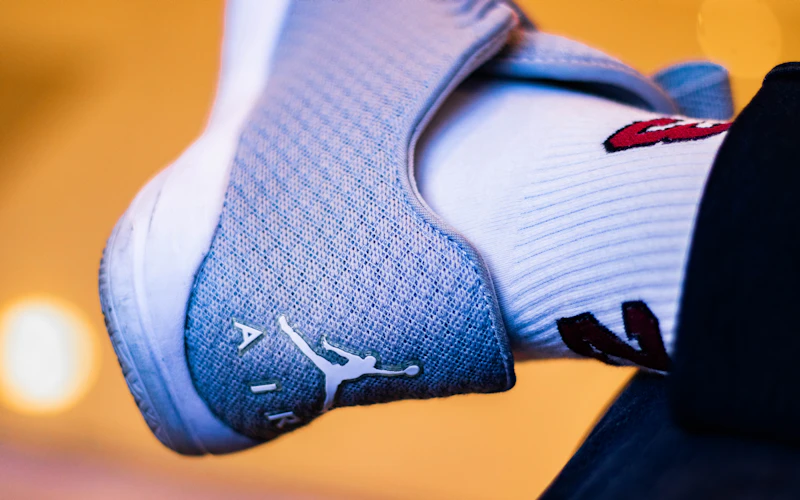
Tennis is a sport that demands agility, speed, and endurance, and having the right equipment is crucial for performance on the court. One of the most important pieces of gear for any tennis player—amateur or pro—is a great pair of tennis shoes. But what exactly makes a great tennis shoe? In this article, we’ll delve into the cutting-edge technology behind tennis footwear, focusing on key features like lateral support, outsole durability, cushioning systems, and court-specific designs. We’ll also take a look at some innovations from leading brands like Nike, Asics, and New Balance.
Lateral Support — Shop tennis shoes on Amazon: The Backbone of Stability
When it comes to tennis, lateral movement is fundamental. Players dart side-to-side, often at high speeds, making lateral support an essential feature in tennis shoes. Good lateral support helps prevent ankle injuries and provides stability during quick direction changes.
Nike Air Zoom Vapor Pro ($130): This model offers a dynamic fit and a supportive upper that holds the foot in place during rapid movements. The lightweight design and Zoom Air cushioning provide both comfort and responsiveness.
Pros: Excellent lateral support, lightweight, and responsive cushioning.
Cons: May require a break-in period for some players.
Asics Gel-Resolution 8 ($160): Renowned for its stability, the Gel-Resolution 8 features a Trusstic System that enhances support during lateral movements. The Gel cushioning technology absorbs shock, making it ideal for aggressive players.
Pros: Exceptional support and cushioning, durable outsole.
Cons: Slightly heavier than some competitors.
Outsole Durability: Built to Last
The outsole of a tennis shoe must endure the wear and tear of hard courts, clay, or grass surfaces. Tennis players need shoes with durable outsoles that can withstand sliding and pivoting.
New Balance Fresh Foam Lav ($150): This shoe features a herringbone outsole pattern that provides excellent traction on various surfaces. The Ndurance rubber compound enhances durability, making it suitable for frequent court time.
Pros: Durable outsole, comfortable fit, great traction.
Cons: May be too wide for players with narrow feet.
Asics Court FF 2 ($140): With its AHAR rubber outsole, the Court FF 2 is built to last. The outsole design offers exceptional grip, allowing players to make quick stops and starts without losing traction.
Pros: Long-lasting durability, excellent traction.
Cons: Some find the fit slightly narrow.
Cushioning Systems: Comfort Meets Performance
Cushioning technology in tennis shoes is designed to absorb impact and provide comfort during matches. A well-cushioned shoe can enhance performance by minimizing fatigue over long matches.
Nike React Vapor NXT ($160): This shoe showcases Nike's React foam, offering a plush yet responsive feel. The cushioning system distributes pressure evenly, reducing strain on the joints.
Pros: Superior cushioning, responsive feel, great for long matches.
Cons: Some players may prefer a firmer feel.
Asics Gel-Resolution 8 (again, $160): The Gel-Resolution 8 features GEL technology for shock absorption, making it a solid choice for players who prioritize comfort without sacrificing performance.
Pros: Excellent shock absorption, versatile for various playing styles.
Cons: Heavier than some other options.
Court-Specific Designs: Tailored for Performance
Different court surfaces require different shoe designs. Hard courts, clay, and grass all present unique challenges, and manufacturers often create shoes tailored for each surface.
Nike Air Zoom Cage 4 ($140): Designed for hard courts, this shoe features a durable mesh upper and a reinforced toe to handle the rigors of hard-court play. The outsole is specifically designed for traction on this surface.
Pros: Durability, excellent traction for hard courts.
Cons: Can feel stiff initially.
Asics Gel-Challenger 13 ($110): A great option for clay courts, the Gel-Challenger 13 features a unique outsole pattern for optimal traction on softer surfaces, allowing for smoother slides and transitions.
Pros: Excellent for clay, comfortable fit.
Cons: The outsole may wear more quickly on hard courts.
Innovations to Watch: The Future of Tennis Footwear
The world of tennis shoe technology is constantly evolving, with brands like Nike, Asics, and New Balance leading the charge in innovative designs that enhance performance.
Nike’s Flyknit Technology: This lightweight, form-fitting upper is designed to provide a sock-like feel, adapting to the foot's movements. It offers breathability and flexibility, ideal for players looking for a second-skin fit.
Asics’ FlyteFoam Technology: This technology uses organic super fibers to create a lightweight cushioning system that doesn’t compromise durability. It’s great for players who want a responsive shoe without the bulk.
New Balance’s FuelCell Technology: Designed for propulsion and speed, FuelCell cushioning offers a lively and responsive ride. It’s perfect for players who rely on quick accelerations and fast footwork.
Conclusion: Finding Your Perfect Fit
Choosing the right tennis shoe involves considering various factors like lateral support, outsole durability, cushioning systems, and court-specific designs. Whether you're a beginner or an experienced player, investing in a quality pair of tennis shoes can significantly enhance your performance and enjoyment of the game. Brands like Nike, Asics, and New Balance offer a range of models to suit different playing styles and preferences. By understanding the technology behind these shoes, you can make an informed decision and step onto the court with confidence.
Where to Buy Tennis Shoes
👉 Tennis shoes at Tennis Warehouse | Tennis shoes on Amazon | Tennis shoes at Tennis-Point
Last updated: September 2026