Tennis Court Equipment Guide
Setting up a tennis court at home or a club can be a rewarding project that enhances your practice experience. Whether you’re creating a full-scale court or a simple practice area, understanding the essential equipment is key. This guide covers everything you need to know about tennis court equipment, from nets to maintenance tools.
Tennis Nets: Portable vs Permanent — Browse nets on Amazon
The net is a fundamental piece of tennis court equipment. When choosing a net, you have two primary options: portable and permanent.
Portable Nets
- Pros: Easy to set up and dismantle, making them perfect for temporary courts or personal use. They can be moved to different locations and stored away when not in use.
- Cons: Generally less durable than permanent nets and may require more frequent replacement.
Permanent Nets
- Pros: Designed for long-term use, these nets are typically made of sturdier materials. They can withstand the elements and are ideal for club settings.
- Cons: More expensive and require a more involved installation process.
Ultimately, your choice will depend on your specific needs—if you're practicing in your backyard or setting up a full club facility, weigh the pros and cons accordingly.
Court Surfaces: What to Know
The playing surface of a tennis court significantly affects gameplay and player comfort. Here are the most common types:
- Hard Courts: These are made from asphalt or concrete and offer a balanced playing experience with consistent bounce and speed. They are the most popular surface type.
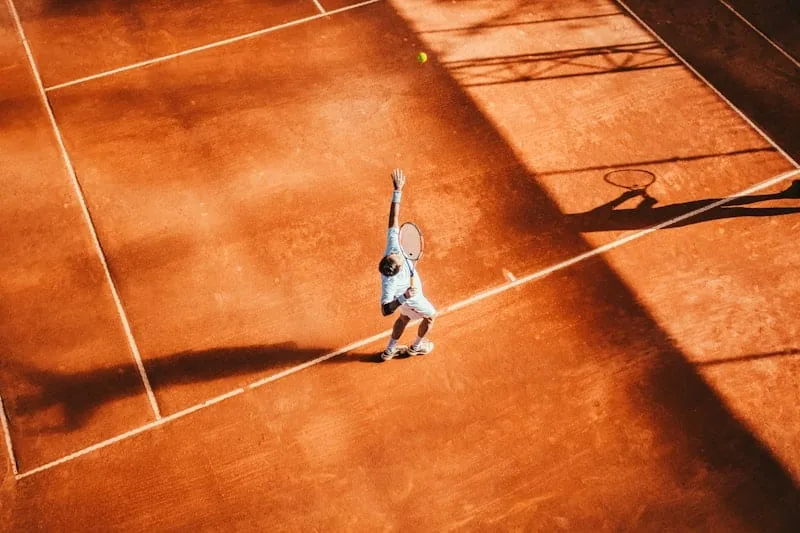
- Clay Courts: Made from crushed stone or brick, clay courts slow down the ball and produce a higher bounce. They require more maintenance but are easier on the joints.
- Grass Courts: Known for their quick play, grass courts are less common due to their maintenance demands. They require regular mowing, watering, and are sensitive to weather changes.
Consider your playing style and local climate when selecting a surface. A hard court is versatile and relatively easy to maintain, making it a great option for most players.
Training Aids: Rebounders, Targets, Cones
Training aids can help improve your skills and make practice more effective.
- Rebounders: These are great for solo practice, allowing you to hit the ball back to yourself. Look for models that are adjustable and portable for maximum versatility.
- Targets: Setting up targets on the court can help improve your accuracy. You can use cones or specialized target mats to help focus your shots.
- Cones: Useful for drills, cones can help define areas of the court for serving, volleying, or footwork practice.
Investing in a few of these aids can make your practice sessions more productive and engaging.
Court Maintenance Equipment
To keep your court in top condition, regular maintenance is essential. Here’s some equipment you may need:
- Line Sweepers: These help remove debris and dirt from the court lines, ensuring visibility and playability.
- Brooms: A good broom can help clear leaves or other debris from hard and clay courts.
- Watering Equipment: For clay courts, a watering system or hose is necessary to maintain the moisture level and prevent cracking.
Regular maintenance not only prolongs the life of your court but also enhances the playing experience.
Mini Tennis & Backyard Court Options
If you have limited space, consider setting up a mini tennis area or a small backyard court.
- Mini Tennis Nets: These are smaller nets designed for younger players or smaller spaces, making them ideal for practice at home.
- Portable Court Markers: Use chalk or tape to mark out a small court or practice area without permanent lines.
This setup allows for fun, informal play and helps develop skills in a more relaxed environment.
Budget Setup for Home Practice
Creating a tennis practice area on a budget is achievable with some smart choices:
- Use Portable Nets: Choose a quality portable net that fits your space and budget.
- DIY Court Lines: Use tape or chalk for marking lines instead of painting them permanently.
- Affordable Training Aids: Invest in a few essential aids like cones or a rebounder that can enhance your practice without breaking the bank.
By prioritizing your needs and making thoughtful selections, you can set up a functional and enjoyable tennis practice area without overspending.
In conclusion, whether you’re setting up a full court or a simple practice area, there’s a range of equipment to consider. Evaluate your space, budget, and goals to create an environment that enhances your tennis experience. Happy playing!
Where to Buy Court Equipment
👉 Tennis nets & court equipment on Amazon | Court equipment at Tennis Warehouse
Last updated: October 2026