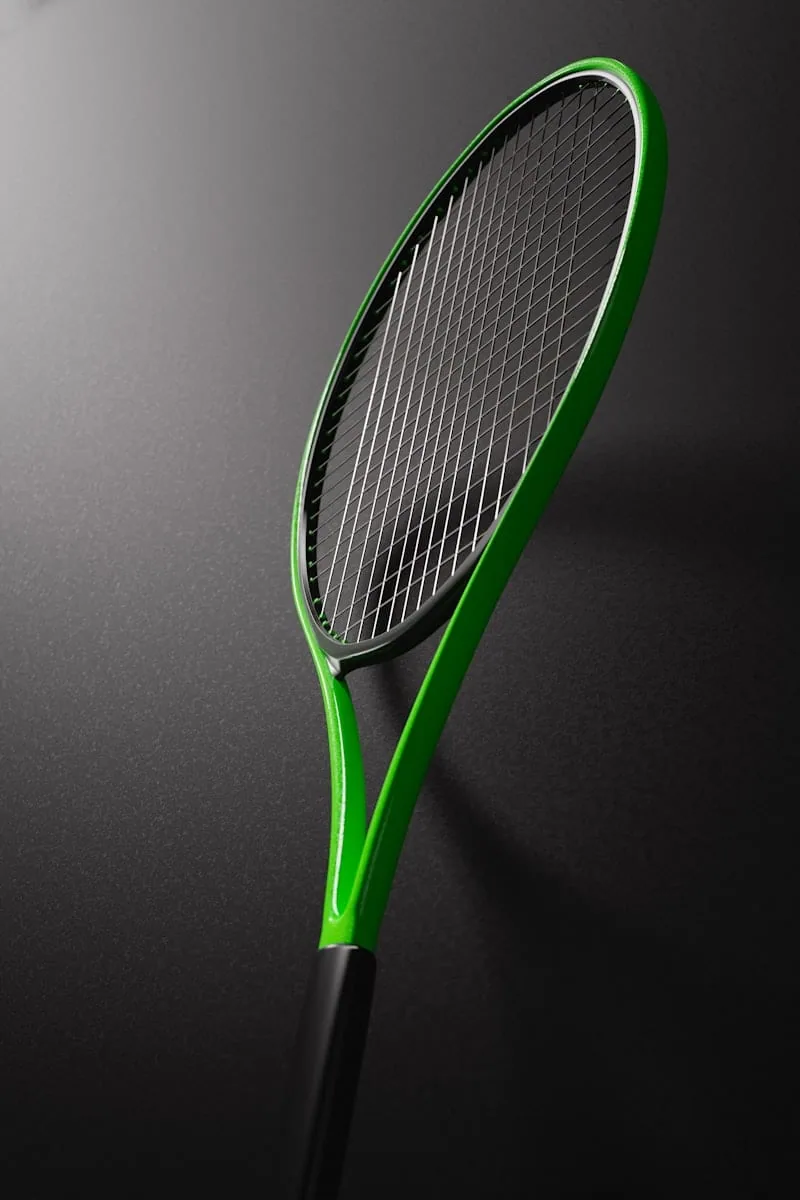
Tennis is a sport that has evolved significantly over the years, and one of the most profound changes has been in the technology of tennis rackets. From the wooden frames of the past to the modern carbon fiber designs, innovations in racket technology have not only influenced the design and feel of the racket but also transformed the way the game is played. Let’s take a closer look at the journey of tennis racket technology and how it has shaped the sport we know today.
The Wooden Era: Tradition Meets Craftsmanship
The history of tennis rackets begins with wooden frames, which dominated the market from the sport’s inception in the late 19th century until the 1970s. Crafted from various types of wood, including ash and maple, these rackets were known for their solid feel and classic aesthetic. Players like Björn Borg and John McEnroe wielded wooden rackets, showcasing a style of play that emphasized precision and control over power.
Pros and Cons of Wooden Rackets
Pros:
- Feel and Touch: Many players appreciate the tactile feedback and connection to the ball that wooden rackets provide.
- Classic Aesthetic: The craftsmanship of wooden frames has a nostalgic appeal that many players cherish.
Cons:
- Weight: Wooden rackets tend to be heavier, which can lead to fatigue during long matches.
- Limited Power: The construction of wooden rackets limits the power and spin that players can generate, requiring more technique and skill.
The Metal Era: A Step Forward
The 1970s ushered in a new era of tennis racket technology with the introduction of metal frames, primarily aluminum. These rackets were lighter than their wooden predecessors, allowing for a faster swing and increased power. Notable players like Jimmy Connors and Chris Evert thrived with these metal rackets, which combined a larger sweet spot with improved durability.
Pros and Cons of Metal Rackets
Pros:
- Lightweight: Metal rackets are significantly lighter than wooden ones, making them easier to handle and swing.
- Larger Sweet Spot: The design allowed for a larger sweet spot, which benefited players who struggled with consistency.
Cons:
- Rigid Feel: Some players found metal rackets less forgiving, as they offered less feedback compared to wood.
- Less Control: While power was increased, the trade-off sometimes meant sacrificing precision.
The Graphite Revolution: A Game Changer
The real game-changer came in the 1980s with the introduction of graphite rackets. Combining graphite with other materials like Kevlar and fiberglass, these rackets offered an incredible blend of lightweight construction and enhanced power. The likes of Andre Agassi and Pete Sampras showcased how these new rackets transformed the game, allowing for unprecedented spin and speed.
Pros and Cons of Graphite Rackets
Pros:
- Power and Spin: Graphite rackets enabled players to generate more power and spin, making it easier to hit aggressive shots.
- Customizable: Many brands began offering rackets with adjustable features, allowing players to choose their ideal balance of power and control.
Cons:
- Less Durable: Graphite can be more prone to cracking, particularly when used at high levels of competition.
- Varied Feel: With so many options available, some players found it challenging to find a racket that offered the right balance of feel and performance.
The Modern Carbon Fiber Era: Precision and Performance
Today, the majority of tennis rackets are made from advanced carbon fiber composites. This technology has propelled racket design into a new realm, allowing manufacturers to create frames that are not only lightweight but also incredibly strong and flexible. Players like Novak Djokovic and Ashleigh Barty have taken advantage of this technology, utilizing rackets that are tailored to their unique playing styles.
Pros and Cons of Carbon Fiber Rackets
Pros:
- Lightweight and Strong: Carbon fiber rackets provide a perfect balance of weight and durability, enabling players to swing faster without sacrificing strength.
- Enhanced Feel and Control: Modern designs allow for improved vibration dampening, giving players a better feel for their shots.
Cons:
- Cost: Advanced technology often comes with a higher price tag, which may not be feasible for every aspiring player.
- Overwhelming Choices: With so many options available, beginners might find it challenging to choose the right racket for their skill level and style.
How Technology Changed the Game
The evolution of racket technology has not only altered the physical characteristics of the rackets themselves but has also had a profound impact on playing styles.
Increased Aggression and Variety
As rackets became lighter and more powerful, the overall style of play shifted. Players can now hit with greater depth and spin, changing the dynamics of rallies. The baseline game became more prevalent, and serve-and-volley strategies, once dominant, saw a decline as players opted for powerful groundstrokes.
Tailoring to Individual Styles
The modern racket market has also embraced diversity, catering to various playing styles. Players can choose rackets that emphasize power, control, or a mix of both. Brands like Wilson, Babolat, and Head offer a range of options to suit different preferences, making it essential for players to consider their style when selecting a racket.
Choosing the Right Racket
When selecting a tennis racket in today’s market, consider the following:
- Skill Level: Beginners may benefit from lightweight rackets with a larger head size, while intermediate and advanced players might prefer more control-oriented models.
- Playing Style: Aggressive baseliners may want rackets that offer power and spin, while serve-and-volley players might seek rackets with better maneuverability.
- Grip Size: Ensuring the correct grip size is vital for comfort and performance. Measure your grip size or consult a professional to find the right fit.
Recommended Rackets
Babolat Pure Drive: Ideal for intermediate to advanced players seeking power and spin. Its large sweet spot and excellent maneuverability make it a popular choice.
Wilson Blade 98: Best for players who prioritize control and feel. This racket is suited for advanced players looking to fine-tune their shots.
Head Ti.S6: Perfect for beginners, this lightweight racket offers a large head size and ample power, helping new players develop their skills.
Conclusion
From wooden frames to cutting-edge carbon fiber, the evolution of tennis racket technology has dramatically transformed the sport. As players today enjoy the benefits of advanced materials and designs, the choice of racket has become more essential than ever. Whether you're just starting or are a seasoned competitor, understanding the history and technology behind tennis rackets can help you make informed choices to enhance your game. So, the next time you step onto the court, remember that your racket is not just a tool; it’s a reflection of the rich history and innovation that has shaped tennis into the exhilarating sport it is today.