Tennis Elbow Prevention Through Equipment
Tennis elbow, or lateral epicondylitis, is a common overuse injury that can sideline even the most passionate recreational players. While proper technique and conditioning play a vital role in prevention, the right equipment can significantly reduce the risk of developing this painful condition. This guide will walk you through how to choose the right racket, strings, grips, and supportive gear to keep your arms healthy.
How Racket Choice Affects Tennis Elbow
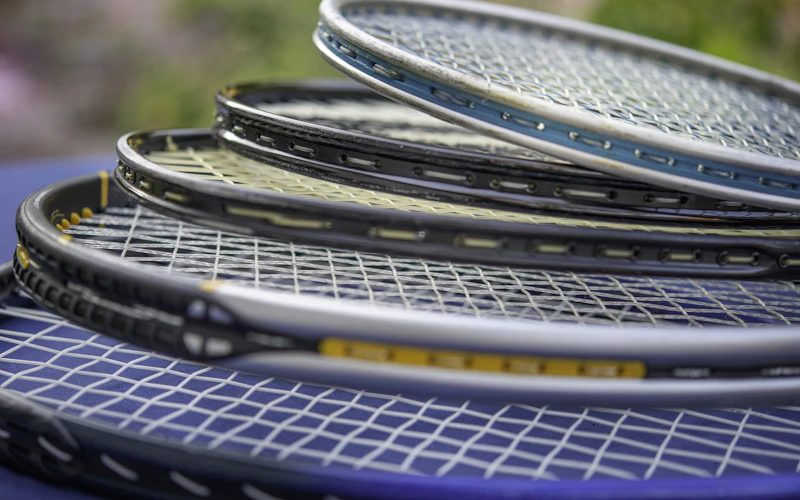
The racket you use can greatly influence your susceptibility to tennis elbow. A racket that is too heavy or stiff can transmit shock to your arm with each hit, leading to discomfort or injury over time. Here are some key factors to consider in your racket choice:
Weight: Lighter rackets (below 10 oz) tend to be easier on the arm, as they require less effort to swing. However, they may lack stability on hard hits. Conversely, heavier rackets provide more stability but can strain the arm if overused.
Balance: Rackets can be head-heavy or head-light. Head-light rackets provide better maneuverability and are often more arm-friendly, whereas head-heavy rackets may feel more stable but can increase the risk of injury.
Flexibility: A more flexible racket frame can absorb shock better than a stiff racket. Look for rackets with a lower stiffness rating (around 60-65 RA) to minimize impact on your arm.
Best Rackets for Arm-Friendly Play
When searching for the best rackets for preventing tennis elbow, consider the following options that offer a great combination of comfort, control, and power.
Wilson Clash 100: This racket features a unique flexible frame that provides excellent shock absorption, making it ideal for players looking to prevent injury while still enjoying a great playing experience.
Babolat Pure Drive Lite: Weighing in at a manageable 10.1 oz, this racket is easy to handle and offers a good blend of power and spin. Its design also helps in reducing vibrations on impact.
Head Graphene 360+ Speed S: With a slightly lighter frame and good flexibility, this racket is a great choice for players who want a balance of power and control while keeping their arm safe.
Yonex Ezone 100: Known for its comfort and playability, the Ezone 100 is excellent for recreational players who prioritize arm health, thanks to its shock-absorbing technology.
String Choice: Softer Is Better
The strings you choose can also contribute to your risk of developing tennis elbow. Generally, softer strings provide better shock absorption and are easier on the arm. Here are some recommendations:
Natural Gut: This is the gold standard for comfort and feel. Natural gut strings absorb vibrations well, making them an excellent choice for players prone to elbow issues.
Multifilament Strings: These synthetic strings mimic the properties of natural gut and are also designed to be softer and more forgiving on the arm. Look for options such as the Wilson NXT or Babolat Xcel.
Lower Tension: Stringing your racket at a lower tension can increase the string's elasticity, thus reducing shock to your arm. If you typically string at 25 kg, consider reducing it to 23 kg to see if it helps.
Grip Size Matters
The grip size of your racket can influence your playing experience and overall arm health. A grip that is too small can lead to excessive wrist movement, while a grip that is too large may cause you to squeeze harder, both of which can contribute to tennis elbow.
To find your ideal grip size:
Measure Your Hand: Use a ruler to measure the distance from the tip of your ring finger to the second crease on your palm. This measurement will guide you in selecting the correct grip size.
Test Before You Buy: If possible, try out rackets with different grip sizes. You should be able to hold the racket comfortably without excessive tension in your grip.
Compression Sleeves & Braces That Help
While selecting the right racket and strings is essential, additional support can further help in preventing tennis elbow. Compression sleeves and braces are designed to provide support and reduce strain on the elbow joint:
Compression Sleeves: These can help improve blood flow, reduce swelling, and provide support during play. Look for sleeves that offer a snug fit without being too tight.
Elbow Braces: A forearm strap can help alleviate pressure on the elbow by distributing force away from the joint. Consider options like the Mueller Tennis Elbow Brace, which provides targeted compression.
In conclusion, preventing tennis elbow is achievable through thoughtful equipment choices. By selecting the right racket, string type, grip size, and supportive gear, you can enjoy the game you love while keeping your arms safe and pain-free. Remember, it’s always wise to consult with a professional when making significant changes to your equipment. Happy playing!
Where to Buy Tennis Rackets
👉 Tennis rackets at Tennis Warehouse | Tennis rackets on Amazon | Rackets at Tennis-Point
Prevent Tennis Elbow With Proper Training
- 🧘 Tennis Yoga, Mobility & Injury Prevention Program — designed to prevent and recover from tennis injuries
- 🏃 Over 40s Strength & Mobility — gentle on joints, strong on results
👉 All programs — Code SERGEI for 10% off!
Last updated: September 2026