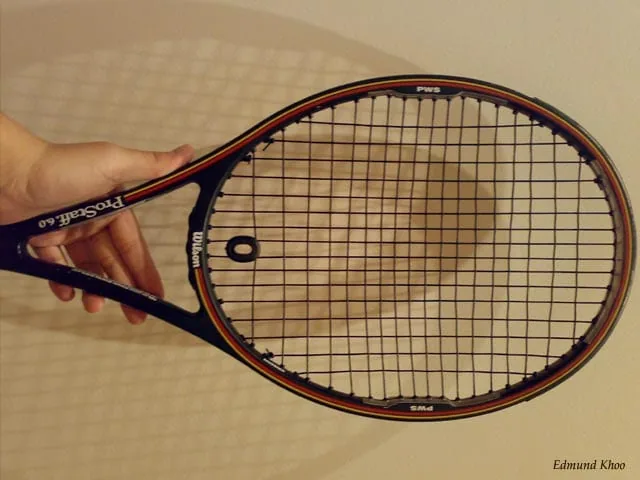
Choosing the right tennis grip is a crucial aspect of ensuring both comfort and performance on the court. Whether you're a weekend warrior or an aspiring champion, the grip on your racquet can dramatically affect your control, power, and overall playing experience. In this guide, we will explore how to choose the perfect grip size, the differences between replacement grips and overgrips, the various materials available, and how each factor influences your game.
How to Choose the Right Tennis Grip Size
Finding the correct grip size is essential for maximizing your control and preventing injuries. An improperly sized grip can lead to discomfort and even issues like tennis elbow.
Measuring Grip Size
To determine your ideal grip size, start by measuring your hand. The most common method is the "index finger test." Here’s how to do it:
- Hold your racquet: Grip the racquet as you would during play, ensuring your fingers wrap around the handle.
- Check your index finger: With your other hand, try to fit your index finger into the space between your fingers and palm. If your finger fits comfortably, you have the right size. If it's too tight or too loose, you may need to adjust.
Grip Size Options
Tennis grips come in sizes ranging from 0 (4 inches) to 5 (4 ¾ inches). Most adult players typically use sizes 1 (4 1/8 inches) to 4 (4 ½ inches). Some popular brands offer grip sizing charts, but it’s always best to try a few racquets to see what feels right.
Pros and Cons
- Pros: A properly sized grip enhances control and reduces the risk of injury.
- Cons: It may take time to find the right size, especially if you're new to the game.
Replacement Grips vs. Overgrips
Once you've settled on the correct grip size, you’ll face another decision: should you opt for a replacement grip or an overgrip?
Replacement Grips
Replacement grips are thicker and designed to be the primary grip on your racquet. They often feature cushioning and moisture-wicking properties, which can enhance comfort during play.
Popular Options:
- Wilson Pro Grip ($9.99): Known for its comfort and durability, ideal for players who sweat a lot.
- Head Hydrosorb ($12.99): Offers excellent moisture absorption and a soft feel, making it great for long matches.
Pros: More cushioning and durability; can be customized to your liking.
Cons: Requires more effort to install and may be more expensive than overgrips.
Overgrips
Overgrips are thinner layers that you wrap around your existing grip. They provide additional cushioning and can be easily replaced, making them a popular choice among players who frequently change their grip feel.
Popular Options:
- Yonex Super Grap ($5.99): Highly absorbent, great for players who prefer a tacky feel.
- Wilson Pro Overgrip ($4.99): Offers a balance of tackiness and comfort, suitable for all playing conditions.
Pros: Easy to apply, customizable feel, and cost-effective.
Cons: Less cushioning than replacement grips; may need frequent replacement.
Grip Materials
The material of your grip plays a significant role in how it feels during play. Here are some common materials and their characteristics:
Synthetic Materials
Most modern grips are made from synthetic materials, offering a good balance of durability and comfort.
- Example:
- Wilson Cushion-Aire: Made from a rubber-like material, it provides excellent shock absorption.
Leather Grips
Leather grips are often preferred by advanced players due to their durability and classic feel. They tend to be less cushioned but provide exceptional feedback.
- Example:
- Babolat Leather Grip ($14.99): Offers a solid feel for those who prefer a more traditional touch. However, they can be slippery when wet.
Pros and Cons of Materials
Synthetic:
- Pros: Lightweight, good shock absorption, and available in various colors.
- Cons: May wear out faster with heavy use.
Leather:
- Pros: Long-lasting and provides excellent feedback.
- Cons: Requires a break-in period and can be slippery with sweat.
How Grip Affects Control and Comfort
The grip you choose can significantly impact your overall game. A comfortable grip allows you to swing freely, while a proper size can improve your control over shots.
Control
A smaller grip allows for more wrist movement, enabling you to generate spin and control. Conversely, a larger grip can provide stability, particularly on powerful shots.
Comfort
If your grip is too small or too big, you may find yourself straining to hold on during play, leading to discomfort and fatigue. A comfortable grip reduces tension in your hand and wrist, allowing you to focus on your technique rather than your grip.
Conclusion
Choosing the right tennis grip is essential for elevating your game while ensuring comfort and reducing the risk of injury. By understanding how to measure grip size, the differences between replacement grips and overgrips, material options, and how these factors affect your control and comfort, you’ll be well on your way to finding the perfect fit for your playing style. So, head to your local sports store or browse online, and get ready to enhance your tennis experience!
Where to Buy Tennis Grips & Overgrips
👉 Overgrips on Amazon | Grips at Tennis Warehouse
Last updated: September 2026