Tennis dampeners are often seen dangling from the strings of players' racquets, but what exactly are they doing? Are they just a fashion statement or do they actually serve a purpose? In the world of tennis, vibration dampeners have sparked debates among players, coaches, and fans about their effectiveness. In this article, we'll explore whether these small accessories truly make a difference, the science behind them, and provide you with some top picks for dampeners available in 2026.
Do Tennis Vibration Dampeners Actually Work?
The primary function of a tennis dampener is to reduce the vibrations that travel through the strings of a racquet upon impact with the ball. When a player strikes the ball, the strings vibrate, and these vibrations can lead to discomfort in the arm, particularly in the elbow. While some players assert that dampeners provide a more comfortable feel and reduce shock, others argue that they don't significantly affect performance.
In a study conducted by the International Journal of Sports Medicine, researchers found that dampeners do reduce string vibrations, but the difference in feel and comfort can be subjective. For recreational players, these differences might not be noticeable, while some more advanced players might notice a change in how the ball feels on impact.
The Science Behind Dampeners
Vibration dampeners work on the principle of absorbing and dissipating the energy generated from the strings during ball contact. Most dampeners are made from rubber, silicone, or a combination of materials that allow them to absorb vibrations effectively. The energy absorbed by the dampener prevents it from being transmitted to the player's arm.
However, it is important to note that the effectiveness of dampeners can vary. Some studies suggest that the reduction in vibrations is marginal, especially when considering racquets that are inherently designed to minimize shock. Many modern racquets come with built-in shock-absorbing technology, which can lessen the dampening effect provided by a separate accessory.
Top Picks for Tennis Dampeners in 2026
If you're considering purchasing a dampener, here are some of the top options available this year:
1. Babolat Custom Damp
- Price: Check latest price
- Best for: Players who want a customizable experience.
- Pros: Comes with various weights to adjust the feel; durable material; reduces vibrations effectively.
- Cons: Installation can be tricky for beginners; not as lightweight as some other options.
2. Wilson Shock Shield Dampener
- Price: Check latest price
- Best for: Beginners looking for a reliable and easy-to-use option.
- Pros: Simple installation; good vibration absorption; affordable.
- Cons: Limited color options; some players might find it too soft.
3. Head Damp Plus
- Price: Check latest price
- Best for: Intermediate players looking for a balance of performance and comfort.
- Pros: Lightweight; stylish design; effectively dampens vibrations.
- Cons: May wear out quicker than other options; not as durable.
4. Gamma Shockbuster II
- Price: Check latest price
- Best for: Casual players who want an effective yet inexpensive dampener.
- Pros: Lightweight; comes in various colors; very affordable.
- Cons: May not provide enough dampening for advanced players; less durable.
5. Yonex Vibration Dampener
- Price: Check latest price
- Best for: Players who prefer a minimalist design.
- Pros: Sleek design; effective vibration reduction; easy to install.
- Cons: Limited shock absorption compared to bulkier options; may not suit all playing styles.
How to Install a Dampener
Installing a dampener is a straightforward process:
- Locate the Area: Find the center of your racquet’s strings. This is typically where you want to place the dampener.
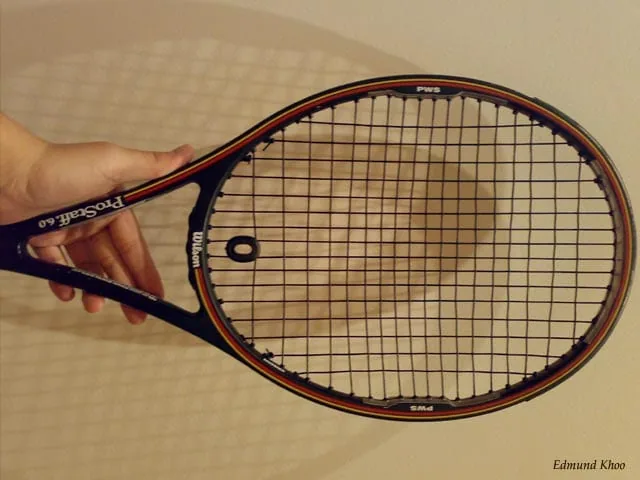
- Insert the Dampener: Gently push the dampener between the two main strings. Make sure it sits snugly and doesn’t interfere with the cross strings.
- Test It: Once installed, give your racquet a few test swings. Make sure the dampener feels secure and doesn’t shift around.
Do Pros Use Dampeners?
Interestingly, many professional players do use dampeners, but opinions vary widely. High-profile players like Rafael Nadal and Roger Federer are known to use them, while others, such as Novak Djokovic, prefer to play without one.
The choice often comes down to personal preference. While pros may have access to advanced racquet technology that minimizes vibrations, some still find comfort in the added cushioning that a dampener provides. At the end of the day, it’s about what feels right for each player.
Conclusion
So, do tennis dampeners really work? The answer is somewhat nuanced. While they can reduce vibrations and improve comfort for some players, the extent of their effectiveness can depend on individual preferences and the type of racquet being used. If you’re a casual player, experimenting with different dampeners could enhance your playing experience, while more advanced players might want to consider their specific needs before making a purchase. With options ranging from customizable to minimalist designs available at various price points, there’s a dampener out there for everyone. Happy playing!
Where to Buy Tennis Dampeners
👉 Vibration dampeners on Amazon | Dampeners at Tennis Warehouse
Last updated: July 2026