The Madrid Open, held annually at the stunning Caja Mágica, is a highlight on the tennis calendar, drawing fans from all over the globe. This combined ATP and WTA event, featuring both men's and women's tournaments, showcases the best of professional tennis in a vibrant city known for its rich culture, delicious cuisine, and passionate sports fans. Whether you're a die-hard tennis follower or just dipping your toes into the sport, this guide will help you navigate the history, atmosphere, and practicalities of attending the Madrid Open.
A Brief History
The Madrid Open has come a long way since its inception in 2002. Initially, the tournament was played on hard courts, but in 2009, it transitioned to a unique blue clay surface that stirred much debate among players and fans alike. The tournament became a combined event in 2009, making it one of the few tournaments in the world where both ATP and WTA circuits compete simultaneously, adding to the excitement and diversity of matches.
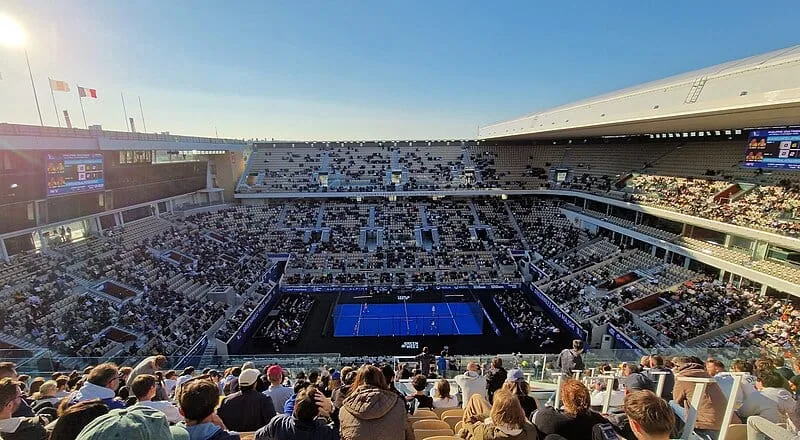
The Caja Mágica, meaning "Magic Box," has been the tournament's home since its opening in 2009. This architectural marvel, designed by the Spanish architect Manuel de las Casas, boasts three main courts, including the impressive Manolo Santana Stadium, which can hold over 12,000 spectators. The venue's modern design and facilities enhance the overall experience for fans, making it a must-visit for tennis enthusiasts.
The Altitude Effect on Play
Situated at an altitude of 650 meters (approximately 2,130 feet) above sea level, Madrid presents unique challenges for players. The thin air at this elevation results in less air resistance, allowing the ball to travel faster and bounce higher. As a result, players must adjust their strategies accordingly. Those who rely on powerful serves and aggressive baseline play often thrive in this environment, while others may struggle to adapt.
One player known for his success in Madrid is Spaniard Rafael Nadal, who has claimed the title five times as of 2026. His powerful forehand and relentless determination have made him a formidable opponent on the blue clay. However, other players have also made their mark, such as Novak Djokovic, who has won the tournament three times, and Ashleigh Barty, a two-time champion on the women's side.
The Unique Blue Clay Controversy
The introduction of blue clay in 2009 was intended to enhance visibility for both players and spectators, but it quickly sparked controversy. Many players criticized the surface for being slippery and unpredictable, leading to complaints and calls for its removal. In 2012, the tournament reverted to traditional red clay, but the blue clay remains a notable part of the Madrid Open's history.
The blue clay controversy highlighted the challenges tournament organizers face in balancing innovation with player preferences. Despite the initial backlash, the tournament has maintained its reputation as a premier event on the tennis calendar.
Combined ATP/WTA Event
The Madrid Open is one of the few combined ATP and WTA events, making it a unique spectacle in the tennis world. This format allows fans to witness both men's and women's matches throughout the tournament, showcasing a diverse array of playing styles and personalities. The combination of top-ranked male and female players creates an electric atmosphere that captivates audiences.
In 2026, some of the biggest stars in tennis are expected to compete, including Carlos Alcaraz, Iga Swiatek, and Aryna Sabalenka. The presence of both male and female athletes on the same stage elevates the tournament, offering fans the chance to see their favorite players in one location.
Notable Moments
Throughout its history, the Madrid Open has produced many memorable moments. In 2013, Rafael Nadal made a stunning comeback from injury to win the title, defeating Stanislas Wawrinka in the final. On the women's side, the 2019 final saw Kiki Bertens triumph over Simona Halep, marking her first significant title on the WTA tour.
In 2021, the tournament was particularly exciting, with an unexpected final featuring Alexander Zverev and Matteo Berrettini. Zverev emerged victorious, solidifying his place among the top players in the world. Such moments create lasting memories for fans and players alike, making the Madrid Open a must-watch event.
Practical Visitor Information
If you're planning to attend the Madrid Open, here are some essential tips to enhance your experience:
Getting There
Madrid is well-connected by air, rail, and road. The Adolfo Suárez Madrid-Barajas Airport is located just 13 kilometers (8 miles) from the city center, making it easily accessible. Once in the city, public transportation, including metro and buses, provides convenient access to the Caja Mágica.
Tickets
Tickets for the Madrid Open can be purchased online through the official tournament website. Prices vary depending on the session and seating choice, so it's advisable to book in advance for the best options. Consider attending the earlier rounds to catch rising stars and enjoy a more relaxed atmosphere.
What to Bring
Be sure to bring sunscreen, a hat, and comfortable footwear, as you’ll likely spend long hours watching matches. Don't forget to pack a refillable water bottle, as staying hydrated is crucial, especially at this altitude.
Where to Eat
Madrid is renowned for its culinary scene. Before or after matches, explore the local tapas bars and restaurants. Some popular areas include La Latina and Malasaña, where you can enjoy traditional Spanish dishes like patatas bravas and jamón ibérico.
Conclusion
The Madrid Open is more than just a tennis tournament; it’s an experience filled with rich history, thrilling matches, and a vibrant atmosphere. Whether you’re there for the breathtaking tennis, the stunning venue, or the delicious food, the Madrid Open offers something for everyone. So pack your bags, grab your tickets, and get ready to immerse yourself in the magic of Madrid!
Last updated: June 2026
Inside this Tournament
Latest news, related guides, and the data behind Madrid Open — Complete Tournament Guide.
Videos
 Sinner, Ruud, Medvedev, Zverev Seek QF Spots | Madrid 2026 Highlights
 Tennis TV
 Jannik Sinner vs Rafael Jodar | Madrid 2026 QF Highlights
 Tennis TV
 Aryna Sabalenka vs Naomi Osaka | 2026 Madrid R16 Highlights
 WTA
 Leylah Fernandez vs Mirra Andreeva | 2026 Madrid QF Highlights
 WTA