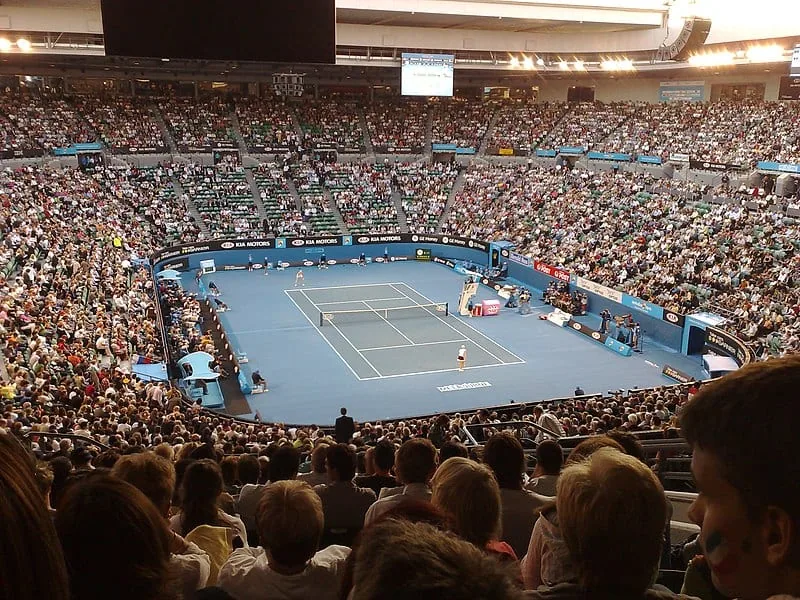
The Great GOAT Debate: Analyzing the Legends of Tennis
The debate surrounding the greatest of all time (GOAT) in tennis has reached new heights, with three players—Novak Djokovic, Roger Federer, and Rafael Nadal—at the center of the discussion. Each player boasts an impressive array of statistics and achievements that make the debate not just a matter of numbers but also one of personal preference and perspective. In this analysis, we will delve into their respective records, strengths, and legacies, while also considering the next generation of players who are poised to enter the conversation.
Key Statistics and Records
Grand Slam Titles
When it comes to Grand Slam titles, Novak Djokovic currently leads the pack with 24 major titles, a record he achieved at the 2023 US Open. This surpasses both Federer and Nadal, who have claimed 20 Grand Slams each. Djokovic's victories span across all four Grand Slam tournaments, showcasing his versatility on different surfaces.
- Djokovic: 24 Grand Slams (10 Australian Open, 3 French Open, 7 Wimbledon, 4 US Open)
- Federer: 20 Grand Slams (6 Australian Open, 1 French Open, 8 Wimbledon, 5 US Open)
- Nadal: 20 Grand Slams (2 Australian Open, 14 French Open, 2 Wimbledon, 2 US Open)
Weeks at No. 1
Statistically, Djokovic also holds the record for the most weeks spent at No. 1 in the ATP rankings, totaling an astonishing 400 weeks as of March 2026. This is a testament to his consistent performance and ability to stay at the top of the sport.
- Djokovic: 400 weeks
- Federer: 310 weeks
- Nadal: 209 weeks
Masters Titles
In the Masters 1000 series, Djokovic again has the edge with 39 titles, followed by Nadal with 36 and Federer at 28. These titles further solidify Djokovic's claim as the GOAT in terms of overall performance in high-stakes tournaments.
- Djokovic: 39 Masters titles
- Nadal: 36 Masters titles
- Federer: 28 Masters titles
Head-to-Head Records
Head-to-head (H2H) records also play a crucial role in the GOAT debate. As of March 2026, here are the records among these three legends:
- Djokovic vs. Federer: 30–28 in favor of Djokovic
- Djokovic vs. Nadal: 30–29 in favor of Djokovic
- Federer vs. Nadal: 24–16 in favor of Nadal
Djokovic's slight edge in H2H records against both Federer and Nadal adds another layer to his argument for being the GOAT.
Arguments for Novak Djokovic
Statistical Superiority
With 24 Grand Slams, 400 weeks at No. 1, and 39 Masters titles, Djokovic’s numbers are hard to overlook. His achievements highlight his dominance in the modern era, a period characterized by intense competition and evolving playing styles.
Adaptability and Surface Mastery
Djokovic’s ability to perform at the highest level on all surfaces—hard, clay, and grass—sets him apart. He has won each Grand Slam multiple times, which showcases not only skill but also adaptability. His success at the Australian Open, where he has won 10 titles, speaks volumes about his performance under pressure.
Mental Toughness
Djokovic is often praised for his mental fortitude. He has shown resilience in the face of adversity, coming back from match points down in several Grand Slam finals, including the 2019 Wimbledon final against Federer. This mental strength has been a defining characteristic of his career.
Arguments for Roger Federer
Longevity and Grace
Roger Federer’s appeal lies not only in his achievements but also in his style of play and sportsmanship. His grace on the court has garnered him a massive global fan base. He has maintained a high level of performance well into his late 30s, showcasing remarkable longevity in a physically demanding sport.
The 20-Slam Milestone
Federer was the first to reach the 20-Slam milestone, a record that stood for a significant period before being tied by Nadal and later surpassed by Djokovic. His early achievements set the standard for excellence in men's tennis and inspired a new generation of players.
Influence on the Game
Federer's impact on tennis transcends statistics. He has redefined the aesthetic of the sport, bringing a sense of elegance and finesse to the game. His philanthropic efforts and role as an ambassador for tennis have further solidified his legacy beyond mere numbers.
Arguments for Rafael Nadal
French Open Dominance
Rafael Nadal’s unmatched record at the French Open is a significant part of the GOAT conversation. With 14 titles at Roland Garros, Nadal has not only dominated clay courts but has also showcased an unparalleled level of excellence in a single tournament. His ability to adapt his game to clay has made him a formidable opponent.
Head-to-Head Advantage
Nadal holds a favorable H2H record against Federer, which some argue gives him an edge in the GOAT debate. His ability to consistently challenge and defeat Federer in critical matches, particularly on clay, further bolsters his case.
Grit and Determination
Nadal is known for his tenacity and fighting spirit, often pushing through physical pain and injuries to achieve success. His approach to the game and his relentless work ethic resonate with fans and players alike, adding to his legendary status.
Surface Dominance and Era Difficulty
Surface Mastery
While Djokovic’s versatility is commendable, Nadal’s dominance on clay and Federer’s proficiency on grass and hard courts cannot be understated. Each player has carved out a niche that defines their legacy.
- Nadal: 14 French Open titles exemplify his clay mastery.
- Federer: 8 Wimbledon titles represent his grass court supremacy.
- Djokovic: 10 Australian Open titles show his hard court excellence.
Era Difficulty
The era in which these players have competed is also a significant factor. Djokovic's era has featured increasingly physical play and a deeper field of competitors, with players like Andy Murray, Stan Wawrinka, and more recently, Daniil Medvedev and Carlos Alcaraz.
Conversely, Federer and Nadal often faced slightly different challenges, as they began their careers when the game was less physically demanding and before the influx of data-driven analytics and training methodologies.
Legacy Beyond Numbers
While statistics play a vital role in the GOAT debate, the players' legacies extend beyond mere numbers. Federer’s influence on the sport, Nadal’s embodiment of competitiveness, and Djokovic’s mental resilience paint a broader picture of what it means to be great in tennis.
Cultural Impact
Federer has often been referred to as the ambassador of tennis, helping to popularize the sport across various demographics. His philanthropy and work with the Roger Federer Foundation have made significant contributions to education and sports development in Africa.
Nadal, with his humble demeanor and fierce competitiveness, has become a symbol of Spanish pride and is revered in his home country. Djokovic, once considered the outsider of the trio, has emerged as a global icon, particularly in Serbia, where he has played a significant role in promoting tennis.
The Next Generation: Alcaraz and Sinner
As we look to the future, players like Carlos Alcaraz and Jannik Sinner are poised to enter the GOAT debate. Alcaraz, the youngest player to reach No. 1 in the ATP rankings, has already captured a Grand Slam title at the age of 19. His explosive playing style and mental resilience echo traits seen in both Djokovic and Nadal.
Sinner, known for his powerful baseline game and shot-making abilities, represents a new wave of players who can challenge the established order. Their rise may prolong the GOAT debate, as they have the potential to rewrite the records set by the current legends.
Conclusion
The GOAT debate in tennis is multifaceted, encompassing a blend of statistics, personal narratives, and cultural impact. While Novak Djokovic holds the edge in numbers, Roger Federer and Rafael Nadal bring their unique contributions to the conversation. As the game evolves, the next generation of players will undoubtedly add new dimensions to this timeless debate. Whether one prefers the artistry of Federer, the tenacity of Nadal, or the all-around supremacy of Djokovic, there is no denying that each has left an indelible mark on the sport of tennis.
Last updated: September 2026