Tennis, a game often defined by its elegance and precision, has also become a stage for extraordinary displays of endurance. While we typically think of matches lasting a couple of hours, some battles have stretched well beyond the limits of physical and mental stamina. The longest tennis matches in history have not only captivated fans but also pushed the sport's athletes to their very limits. Here, we dive into some of the most remarkable marathon matches, including the record-breaking encounter between John Isner and Nicolas Mahut at Wimbledon in 2010.
The Epic Showdown: Isner vs. Mahut
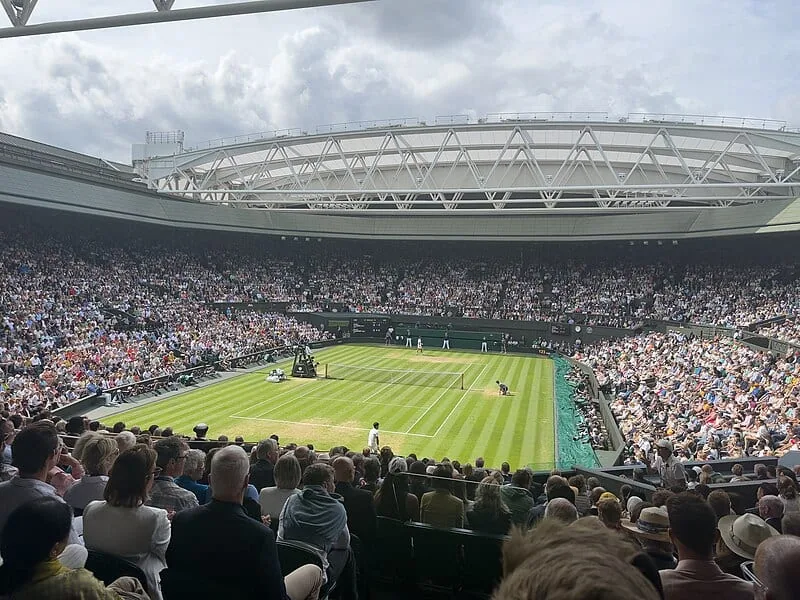
The longest tennis match in history took place during the first round of Wimbledon on June 22, 2010. American John Isner faced off against Frenchman Nicolas Mahut in a match that would redefine endurance in sports.
This unforgettable clash lasted an astonishing 11 hours and 5 minutes over the course of three days. The match was remarkable not only for its duration but also for its staggering number of games and points. The final score was 6-4, 3-6, 6-7(7), 7-6(3), 70-68 in favor of Isner, who finally prevailed after playing a record 183 games and hitting 216 aces—another record that still stands.
Key Stats:
- Duration: 11 hours, 5 minutes
- Date: June 22-24, 2010
- Final Score: 6-4, 3-6, 6-7(7), 7-6(3), 70-68
- Games Played: 183
- Aces: 216 (Isner)
Other Notable Marathon Matches
While the Isner-Mahut encounter is the king of endurance, several other matches have also tested the limits of human performance. Here are a few notable mentions:
1. Novak Djokovic vs. Rafael Nadal – 2012 Australian Open Final
In what is often considered one of the greatest matches in tennis history, Novak Djokovic and Rafael Nadal faced off in the final of the 2012 Australian Open. The match lasted 5 hours and 53 minutes, featuring an incredible display of skill and determination from both players. Djokovic ultimately triumphed with a score of 5-7, 6-4, 6-2, 6-7(5), 7-5.
Key Stats:
- Duration: 5 hours, 53 minutes
- Date: January 29, 2012
- Final Score: 5-7, 6-4, 6-2, 6-7(5), 7-5
- Games Played: 102
2. Kevin Anderson vs. John Isner – 2018 Wimbledon Semifinal
Another marathon encounter featuring John Isner occurred in the 2018 Wimbledon semifinals against South Africa's Kevin Anderson. This match lasted 6 hours and 36 minutes and ended with Anderson winning 7-6(4), 6-7(6), 6-7(9), 6-4, 26-24. The match was notable for its extraordinary final set, which included 50 games and showcased both players' extraordinary serving abilities.
Key Stats:
- Duration: 6 hours, 36 minutes
- Date: July 13, 2018
- Final Score: 7-6(4), 6-7(6), 6-7(9), 6-4, 26-24
- Games Played: 80
3. Fabrice Santoro vs. Arnaud Clément – 2004 French Open
Fabrice Santoro and Arnaud Clément engaged in a grueling battle at the 2004 French Open that lasted 6 hours and 33 minutes. The match featured a dramatic finish, with Santoro prevailing 6-4, 6-3, 6-7(5), 3-6, 16-14. This match is often remembered for its lengthy final set, which tested both players' physical limits.
Key Stats:
- Duration: 6 hours, 33 minutes
- Date: June 1, 2004
- Final Score: 6-4, 6-3, 6-7(5), 3-6, 16-14
- Games Played: 90
Factors Influencing Match Duration
The length of a tennis match can be influenced by several factors:
- Playing Style: Serve-and-volley players tend to have shorter matches, while baseline rallies can stretch points significantly.
- Surface: Grass courts often lead to quicker games due to the faster playing conditions, while clay courts can yield longer rallies.
- Weather Conditions: Heat and humidity can affect players' stamina and performance, extending match duration.
- Mental Resilience: The psychological aspect of tennis plays a huge role in endurance, with players needing to maintain focus and strategy over many hours.
Comparing Eras: Endurance Across Generations
When comparing these marathon matches to those from previous eras, it's clear that advancements in technology, training, and nutrition have contributed to players' abilities to endure grueling encounters. In the past, players like Björn Borg and John McEnroe often engaged in lengthy matches, but the physical demands of the game today are significantly higher.
Today’s players are more athletic, employing rigorous training regimens that enhance their endurance. This is evidenced by the frequency of long matches in the modern era compared to the past.
Conclusion
The longest tennis matches in history serve as a reminder of the incredible physical and mental endurance required to compete at the highest levels of the sport. From the record-breaking duel between Isner and Mahut to the epic battles between Djokovic and Nadal, these encounters showcase the remarkable spirit of competition and the lengths to which athletes will go for victory. As tennis continues to evolve, fans can only wonder what future marathon matches will emerge to capture the world’s attention.
Last updated: September 2026