Tennis, often dubbed the sport of precision and finesse, has seen astonishing evolution over the years, especially when it comes to the serve. While players have always aimed to deliver powerful serves, the past few decades have witnessed a remarkable increase in serve speed. This article dives into the fastest serves ever recorded, highlights key players who have pushed the boundaries of serving speed, and examines how technology and training have transformed this crucial aspect of the game.
The Record-Breaking Serves
Among the fastest serves ever recorded, Australian player Sam Groth holds the top position with a blistering serve clocked at 263 km/h (163.7 mph) during the 2012 Busan Open Challenger in South Korea. Groth's record is not just a testament to his strength but also a reflection of the modern game's evolution—where raw power and precision have become key weapons on the court.
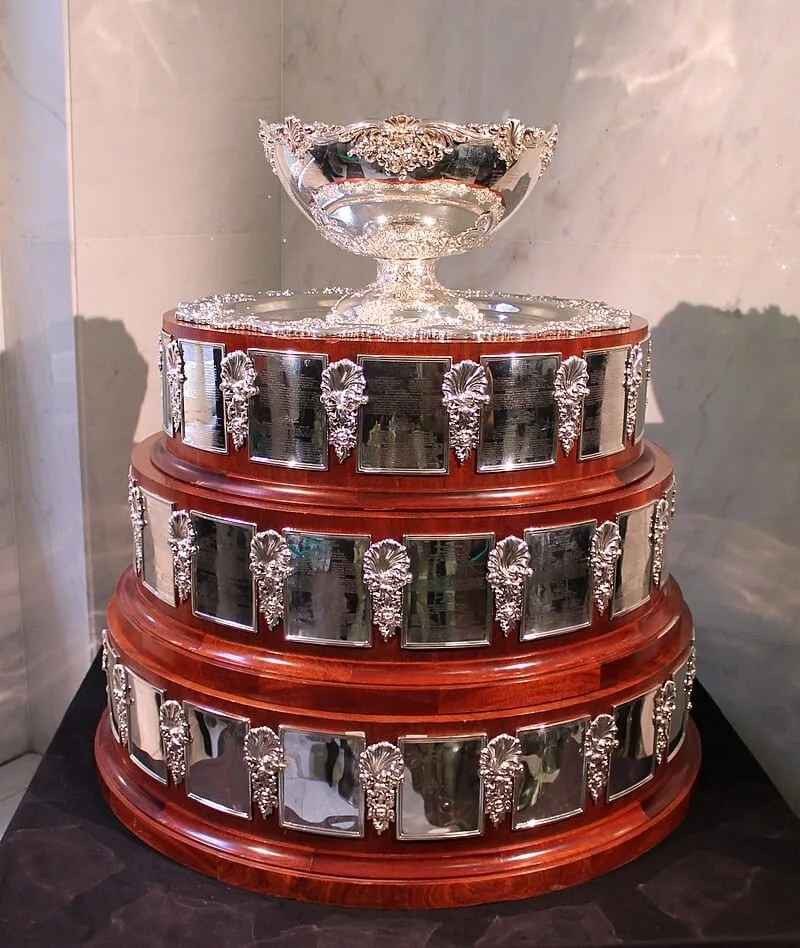
Following Groth, we have John Isner, an American giant known for his powerful serve, which has consistently ranked among the fastest in the ATP. Isner recorded a serve of 253 km/h (157.2 mph) during the 2010 Davis Cup against Belgium. His height (6'10") combined with his technique allows him to generate incredible speed and angle on his serves, making him a formidable opponent on any surface.
Here's a list of the fastest serves recorded in professional tennis:
| Player | Speed (km/h) | Year | Tournament |
|---|---|---|---|
| Sam Groth | 263 | 2012 | Busan Open Challenger |
| John Isner | 253 | 2010 | Davis Cup |
| Ivo Karlovic | 251 | 2011 | Davis Cup |
| Roger Federer | 230 | 2010 | Swiss Indoors |
| Serena Williams | 210 | 2016 | Australian Open |
| Venus Williams | 207 | 2007 | US Open |
| Kristyna Pliskova | 210 | 2016 | 2016 Australian Open |
The Evolution of Serve Speed in ATP Tennis
The evolution of serve speed in ATP tennis has been nothing short of remarkable. In the 1970s and 1980s, the average serve speed hovered around 150 km/h (93 mph). Players like Björn Borg and John McEnroe relied more on placement and spin than sheer power. However, with the introduction of new racket technology and a deeper understanding of biomechanics, serve speeds began to escalate.
The 1990s saw a new wave of servers, including Pete Sampras and Goran Ivanišević, who routinely unleashed serves exceeding 200 km/h. Sampras, a seven-time Wimbledon champion, was particularly known for his big serve, which often set the tone for his matches. By the late 2000s and early 2010s, players like Isner and Karlovic emerged, consistently hitting serves in the 240 km/h range, marking a new era of serving prowess.
The Role of Technology and Training
One of the primary catalysts for the increase in serve speed is the advancement in racket technology. Modern rackets are engineered with lighter materials and larger heads, allowing players to generate more power without compromising control. Additionally, the use of high-tech strings enhances both the spin and speed of serves.
Moreover, players now engage in specialized training regimens that focus on strength, flexibility, and technique. Many players work with biomechanical experts to refine their serving motion, ensuring they can maximize their potential while minimizing the risk of injury.
WTA Serves: Power Meets Precision
While the ATP may dominate the headlines with its record-breaking serves, the WTA has also seen impressive feats of serving power. Serena Williams, known for her incredible athleticism and strength, recorded her fastest serve at 210 km/h during the 2016 Australian Open. Williams has consistently ranked among the top servers in women's tennis, combining power with precision.
Another notable player, Venus Williams, recorded a serve of 207 km/h during the 2007 US Open, making her one of the fastest servers in WTA history.
Comparing Eras: Then and Now
Comparing serves across different eras can be misleading due to the numerous variables involved—from racket technology to court surfaces. In the past, players relied on a combination of finesse and power, while modern players emphasize raw speed and aggression.
For instance, the average serve speed during the 1980s was significantly lower than today’s benchmarks. Players like Boris Becker and Andre Agassi were known for their all-court games and strategic serving rather than sheer speed. Today, it’s not unusual for players to start matches with serves in the 220 km/h range.
Conclusion: The Future of Serving
As we move further into the 2020s, the trend of increasing serve speeds shows no signs of slowing down. With players like Reilly Opelka and Nick Kyrgios emerging as the new generation of powerful servers, it will be exciting to see how they push the boundaries even further.
In conclusion, the evolution of serve speed in tennis, whether in ATP or WTA, reflects the ongoing quest for excellence in this beautiful sport. The records set by players like Sam Groth and John Isner will surely be challenged in the coming years, as athletes continue to innovate and redefine what is possible on the tennis court. Whether you're a seasoned fan or a casual observer, the power of the serve remains one of the most thrilling aspects of tennis to watch.
Last updated: September 2026