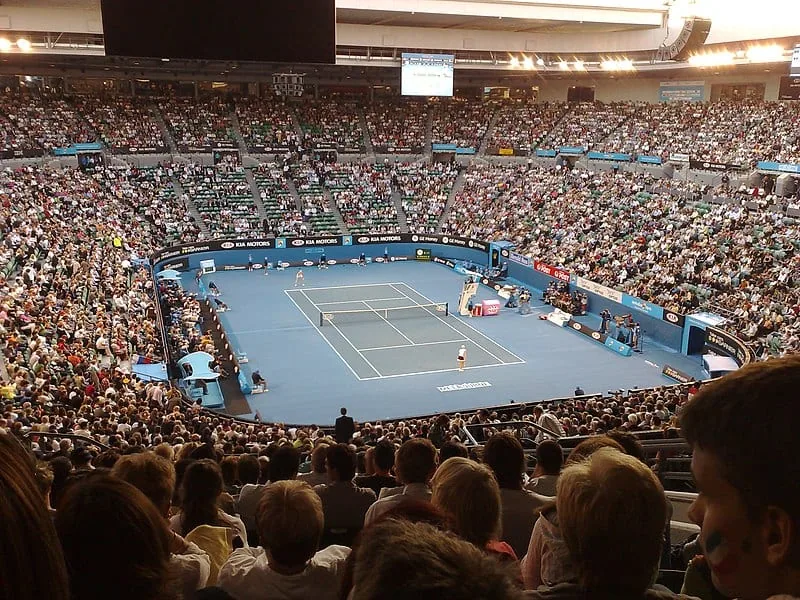
Tennis is often seen as a sport of grace and subtlety, where the quiet focus of the players contrasts starkly with the electrifying atmosphere that crowds can create. From the raucous chants in Davis Cup matches to the boisterous celebrations at the US Open, the culture of tennis fans around the world plays a crucial role in shaping the sport’s vibrant tapestry. In this article, we’ll dive into some of the loudest crowds in tennis, explore fan traditions, and discuss the evolution of crowd behavior—balancing the debate between silence and noise.
The Roar of the Davis Cup
One of the most notable examples of passionate tennis crowds is the Davis Cup. This prestigious team competition brings together players and fans from across the globe, igniting national pride and fierce rivalries. The atmosphere at a Davis Cup match can be electric, often resembling a rock concert more than a traditional tennis event.
For instance, during the 2023 Davis Cup final, the crowd in Malaga, Spain, erupted in a chorus of cheers and chants as Spain faced Canada. Fans waved flags, sang songs, and celebrated each point as if their team had just won a championship. The connection between players and fans is palpable, with players often acknowledging the support from the stands. It’s not uncommon to see players like Rafael Nadal or Felix Auger-Aliassime feeding off the crowd’s energy, turning the intensity of the match up to eleven.
The US Open: A Symphony of Noise
The US Open, held annually in New York City, is famous for its rowdy crowds. The night matches at Arthur Ashe Stadium are particularly legendary, with fans often treating the event like a festival. The atmosphere is electric, and the crowd’s enthusiasm can turn the tide of a match.
In 2023, for example, Coco Gauff's incredible run to the title was marked by roaring support from the audience, who cheered her on with chants of “Let’s go, Coco!” The excitement reached a fever pitch during her final against Aryna Sabalenka, where the crowd’s deafening cheers helped propel Gauff to victory. The US Open has also seen some unique traditions, like the “US Open Fan Week,” which allows fans to engage with the tournament in various ways before the matches begin. This sense of community adds to the overall experience, turning tennis into a full-blown spectacle.
The Australian Open: A Festival of Fun
The Australian Open, known for its vibrant atmosphere, combines tennis with a festival-like experience that keeps fans entertained. From the electric night matches at Rod Laver Arena to the bustling grounds filled with food stalls and live music, the tournament offers more than just tennis—it’s an immersive cultural experience.
In 2026, the crowds were particularly lively, especially during the matches featuring local favorites like Ashleigh Barty and Nick Kyrgios. The Australian crowd is known for its laid-back yet enthusiastic demeanor, often mixing humor with support. Fans have a tradition of singing local songs, and the camaraderie among spectators creates a sense of belonging that is hard to replicate elsewhere.
Ultra-Fan Communities: The Heartbeat of Tennis
Behind every loud crowd are dedicated ultra-fan communities that live and breathe tennis. These fans travel the world to support their favorite players, creating a global network of tennis enthusiasts. They often form groups, known as “fan clubs,” that organize travel plans, coordinate meet-ups, and even create choreographed cheers to support their players.
Take, for example, the "Barty Party"—a group of loyal supporters who followed Ashleigh Barty throughout her career. They wore matching shirts and brought homemade banners to matches, creating a sense of unity that resonated with other fans. Similarly, the “Kyrgios Crew” has gained notoriety for their wild antics during his matches, often seen sporting colorful outfits and engaging in spirited cheers.
The Evolution of Crowd Behavior
Over the years, crowd behavior in tennis has undergone a significant transformation. Historically, tennis was characterized by an unspoken code of silence, where fans were expected to remain quiet during points, only erupting in applause after a good shot. However, as the sport has evolved, so too have the expectations of fans.
In recent years, particularly with the influence of social media, the expectations of crowd engagement have shifted. Fans now feel empowered to express their enthusiasm more openly, leading to an increase in noise levels during matches. This has sparked a debate within the tennis community—should the traditional silence be maintained, or is it time to embrace the joyful noise of passionate fans?
The Great Debate: Silence vs. Noise
The discussion surrounding crowd behavior often centers on the balance between respecting the players’ concentration and allowing for passionate fan engagement. Some players, like Roger Federer, have expressed a preference for quieter crowds, believing that silence allows for greater focus. Others, like Nick Kyrgios, thrive on the energy of a loud crowd and even encourage their support.
As tennis continues to evolve, the challenge will be finding a balance that respects the traditions of the game while embracing the enthusiasm of modern fandom. Events like the US Open and the Australian Open have shown that a lively crowd can enhance the experience for both players and spectators, but it’s essential to maintain a respectful atmosphere that allows for the nuances of the game.
Conclusion
Tennis fan culture is a rich and dynamic tapestry that adds an exhilarating layer to the sport. From the passionate crowds at the Davis Cup to the vibrant celebrations at the US Open and Australian Open, the loudest crowds in tennis are a testament to the dedication and enthusiasm of fans worldwide. As the sport continues to grow, so too will the culture of its supporters—an ever-evolving celebration of tennis that echoes in the hearts of fans and players alike. So, whether you prefer the silence of a classic match or the din of a modern spectacle, one thing is certain: tennis wouldn’t be the same without its passionate fans making their voices heard.
Last updated: September 2026
🎾 Gear from this story
YonexYonex VCORE 98Nick Kyrgios's racket of choiceView on Amazon →As an Amazon Associate, SUPER.TENNIS earns from qualifying purchases.