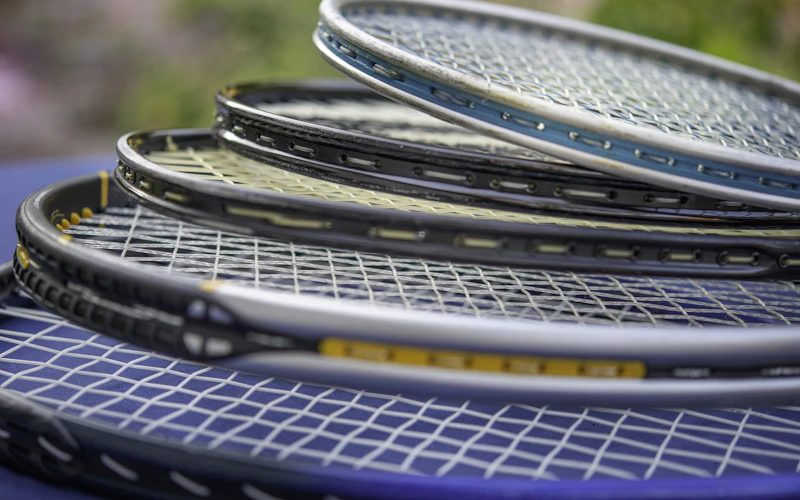
Tennis String Guide
Choosing the right tennis string is as essential as selecting the right racquet. The type of string you use can significantly affect your performance on the court, influencing aspects like power, spin, control, and comfort. This guide will help you navigate the intricacies of tennis strings, ensuring you make an informed choice to elevate your game.
Types of Tennis Strings
Tennis strings come in various materials, each with unique characteristics that cater to different playing styles and preferences. Here are the four main types:
1. Natural Gut
Natural gut strings are made from animal intestines and are renowned for their exceptional playability, comfort, and tension maintenance. They offer a soft feel, ideal for players with arm injuries or those seeking maximum power and touch. However, they can be expensive and less durable than other options.
2. Polyester
Polyester strings are popular among aggressive players who hit with heavy topspin and power. They are stiffer than natural gut, providing excellent control and spin potential. However, they can be harsh on the arm, so they may not be suitable for players prone to injuries.
3. Synthetic Gut
Synthetic gut strings are a budget-friendly alternative to natural gut. They are made from nylon and offer a well-rounded performance with decent power and comfort. Synthetic gut is a great option for recreational players looking for an all-around string without breaking the bank.
4. Multifilament
Multifilament strings are made of many fibers that mimic the properties of natural gut. They provide excellent power and comfort, making them a popular choice for players seeking a softer feel. While they may not offer the same durability as polyester, they are gentler on the arm.
How String Tension Affects Play
String tension is the amount of force applied to the strings when they are strung in the racquet. It plays a crucial role in how the racquet behaves during play:
Low Tension: Strings strung at a lower tension provide more power and a softer feel. They allow the ball to sink deeper into the strings, creating a trampoline effect. This is beneficial for players who struggle with generating power or those who prefer a more forgiving string bed.
High Tension: Higher tension results in more control and spin potential. The strings are less elastic, leading to more precision on shots and better feedback. However, this can create a stiffer feel, which might not be suitable for players with arm issues.
Finding the right tension often involves experimentation based on your style of play and physical feedback.
Best Strings for Power
If you're looking to enhance your power, consider the following strings:
Wilson NXT: This multifilament string offers a soft feel with excellent power. Its unique construction helps maintain tension, making it a favorite among players seeking a lively string.
Babolat VS Natural Gut: The gold standard for power, this natural gut string provides unmatched responsiveness and feel. It’s perfect for players who want maximum energy return on their shots.
Prince Synthetic Gut: An affordable option that provides good power without a hefty price tag. It’s versatile and can be used by players of all levels.
Best Strings for Spin
To maximize spin potential, try these options:
Luxilon ALU Power: A popular choice among advanced players, this polyester string offers incredible spin capabilities and control. It’s designed for aggressive topspin players.
Babolat RPM Blast: Known for its octagonal shape, this string bites into the ball, generating exceptional spin. It’s favored by many professional players for its performance.
Solinco Hyper-G: This string offers a great blend of spin, control, and durability, making it an excellent choice for players who want to add more topspin to their shots.
How Often to Restring
How often you should restring your racquet depends on several factors:
- Frequency of Play: If you play several times a week, consider restringing every 3-4 weeks.
- Playing Level: More advanced players may need to restring more frequently due to the wear and tear on their strings.
- String Type: Natural gut strings break more quickly than polyester, which means they might require more regular replacements.
As a rule of thumb, a good guideline is to restring your racquet as often as you play in a week.
Pro Player String Choices
Many professional players have specific string preferences that cater to their playing styles. Here are a few notable examples:
- Roger Federer: Uses natural gut strings for their feel and power.
- Rafael Nadal: Prefers polyester strings for their durability and spin potential.
- Serena Williams: Often uses a multifilament string for comfort while maintaining control.
Understanding these choices can help you identify what might work best for your game.
Conclusion
Choosing the right tennis string is a pivotal part of optimizing your performance on the court. By considering the type of string, tension, and your personal playing style, you can significantly enhance your game. Whether you’re seeking power, spin, or comfort, there's a string out there that can help you elevate your play. Happy hitting!
Last updated: September 2026